Chicago’s waterfront has quietly become one of the city’s most dynamic public spaces, blending history, architecture, recreation, and environmental progress into a river-to-lake corridor that invites exploration.
A new kind of downtown promenade
The winding Chicago River, once dominated by industry, is now a destination for walkers, diners, and kayakers.
The riverwalk stretches along key downtown sections, offering seating, public art, cafes, and flexible event spaces that change with the seasons. It’s designed to be more than a path—think continuous outdoor rooms where people linger, meet, and enjoy skyline views framed by iconic architecture.
Architecture tours with a fresh perspective
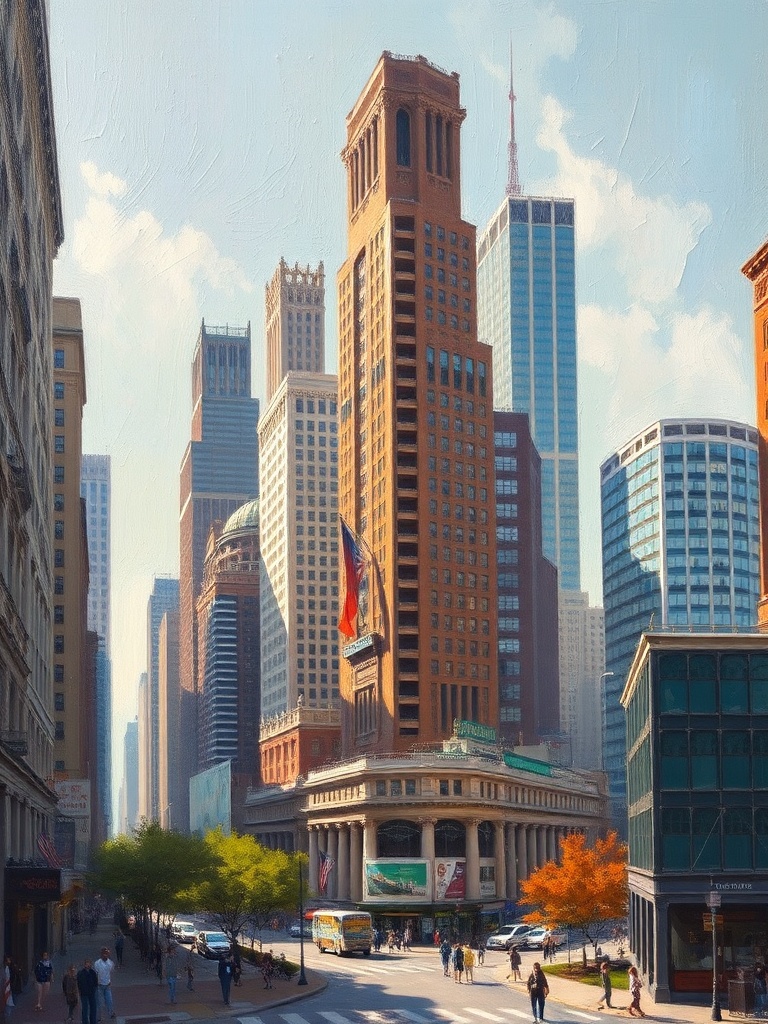
Architecture boat tours remain a signature experience, but the perspective has broadened. In addition to classic narratives about the city’s skyscraper innovations and landmark designers, tours increasingly highlight adaptive reuse projects, sustainability features, and the interplay between historic facades and contemporary glass towers. Walking tours along the riverbanks let visitors notice details missed from the water: restored masonry, rooftop gardens, and creative lighting schemes that transform the skyline after sundown.
Recreation and active river life
Kayaking and paddleboarding have become normalized urban activities, with rentals and guided outings easily accessible for beginners. Water taxis and ferry services add practical connectivity, offering scenic commutes and alternative routes to neighborhoods along the river and lakefront. For anyone curious about getting on the water, guided sessions and safety-first operators make it simple to try a new way to experience the city.
Environmental gains and green infrastructure
Efforts to improve water quality and habitat have changed how both residents and wildlife use the river. Native plantings along banks, improved stormwater management, and targeted habitat restoration are helping attract birds, fish, and pollinators back to the corridor. These interventions also reduce runoff and improve resilience to intense rain events, making the waterfront more sustainable and enjoyable year-round.
Dining, nightlife, and public programming
Restaurants and bars lining the river emphasize outdoor seating and views, with menus that reflect the city’s culinary diversity—from inventive small plates to wood-fired grill specialties. Seasonal programming—pop-up markets, outdoor concerts, and design showcases—keeps the area lively and gives locals reasons to return frequently rather than treating the riverwalk as a one-time attraction.
Practical tips for visiting
– Access the riverwalk easily via public transit; multiple transit stops are within comfortable walking distance.
– Weekday mornings and early evenings are ideal for quieter strolls; weekends host more events and crowds.
– If planning to paddle, book a guided session if you’re new to urban waterways; operators provide gear and safety briefings.
– Explore side streets and alleys near the river for lesser-known cafés, galleries, and viewing spots.
Why it matters
The transformation of Chicago’s waterfront is more than aesthetic. It demonstrates how cities can repurpose industrial corridors into inclusive public realms that support recreation, commerce, and ecological function. The result is a waterfront that feels both rooted in the city’s architectural legacy and open to contemporary uses—an active, resilient edge that reflects ongoing urban evolution.
Whether you’re a visitor seeking riverfront views, a local looking for weekend plans, or someone curious about urban sustainability, Chicago’s river and lakefront present a layered experience where history, design, and nature converge.
