The Chicago Cubs remain one of baseball’s most compelling franchises because they balance deep tradition with an ongoing pursuit of competitive edge. From the ivy-covered walls of Wrigley Field to a front office that leans into analytics and pitching development, the organization is focused on building sustained success while preserving what makes Cubs baseball unique.
Wrigley Field: Tradition meets modern experience
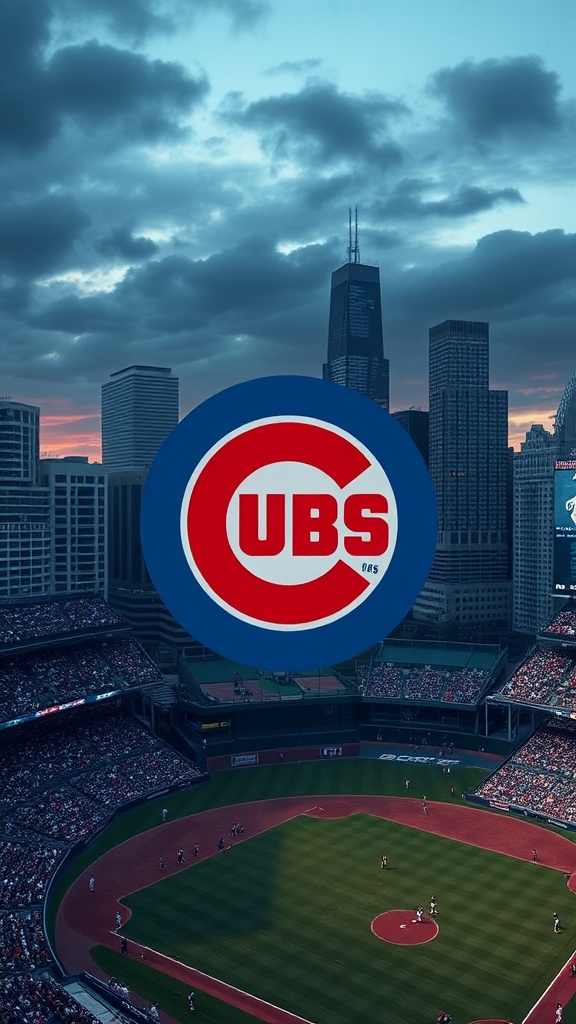
Wrigley Field continues to be a major part of the Cubs identity.
Historic architecture, rooftop views, and iconic gameday rituals keep attendance and fandom lively. At the same time, investments in fan amenities and technology aim to improve convenience without erasing character. Expect upgraded concession options, improved mobile ticketing and contactless services, and enhanced broadcast experiences that bring the ballpark to fans who can’t attend in person.
Pitching and player development as pillars
A consistent theme around the Cubs is prioritizing pitching depth and player development. The organization has focused on drafting high-upside arms, refining mechanics through analytics-driven coaching, and managing workloads to reduce injury risk. A balanced rotation and a versatile bullpen are often cited as critical to success in the postseason, so internal depth and smart external acquisitions remain top priorities.
Analytics and a modern approach to scouting
Scouting now blends traditional evaluation with advanced metrics.
The Cubs’ approach integrates biomechanics, spin-rate analysis, and defensive shifting data with scouting observations about makeup and competitiveness. This fusion helps identify undervalued talent and informs development plans that are tailored to each player’s strengths—whether that’s pitch design for a young starter or specific routes for outfielders.
Balancing veterans and youth
Maintaining a mix of experienced veterans and emerging prospects is central to roster construction. Veterans provide clubhouse leadership and consistency, while younger players bring upside and cost-controlled years.
The front office often leverages that mix at key roster decision points—using veterans to stabilize roles while prospects take developmental steps in lower-pressure windows. This strategy supports flexibility at the trade deadline and in free-agent markets.
What to watch this season
– Rotation health and depth: How the staff handles innings and midseason adjustments will shape competitiveness.
– Breakouts from the farm system: Several top prospects may be on the verge of contributing at the big-league level.
– Bullpen usage patterns: Look for evolving roles as analytics influence matchup-based reliever deployment.
– Trade activity: Expect strategic moves that target deficits—whether a high-leverage reliever, a power bat, or defensive upgrades.
Community and cultural impact
The Cubs have a strong community footprint with youth programs, charitable initiatives, and partnerships that extend beyond the ballpark. That connection to the city and surrounding neighborhoods reinforces fan loyalty and helps the franchise remain a central cultural presence.
Fan engagement and media landscape
Digital engagement continues to expand with enhanced social content, behind-the-scenes access, and more interactive coverage. Local and national broadcasters are increasingly complementing live games with analysis-driven features that add context for casual viewers and long-time fans alike.
Bottom line: watch the process
The most important story to follow is the process: sustainable roster construction, pitching development, and maintaining Wrigley’s atmosphere while modernizing the fan experience. Those pillars will determine whether the Cubs keep turning potential into consistent on-field success and keep the faithful engaged every game day.