Chicago’s waterfront and neighborhoods offer a dynamic mix of architecture, food, parks, and cultural life—perfect for first-time visitors and locals looking for a fresh weekend plan. Whether you want a slow riverwalk stroll, an architecture boat tour, or a neighborhood crawl for the best eats, the city delivers experiences that feel both classic and newly energized.
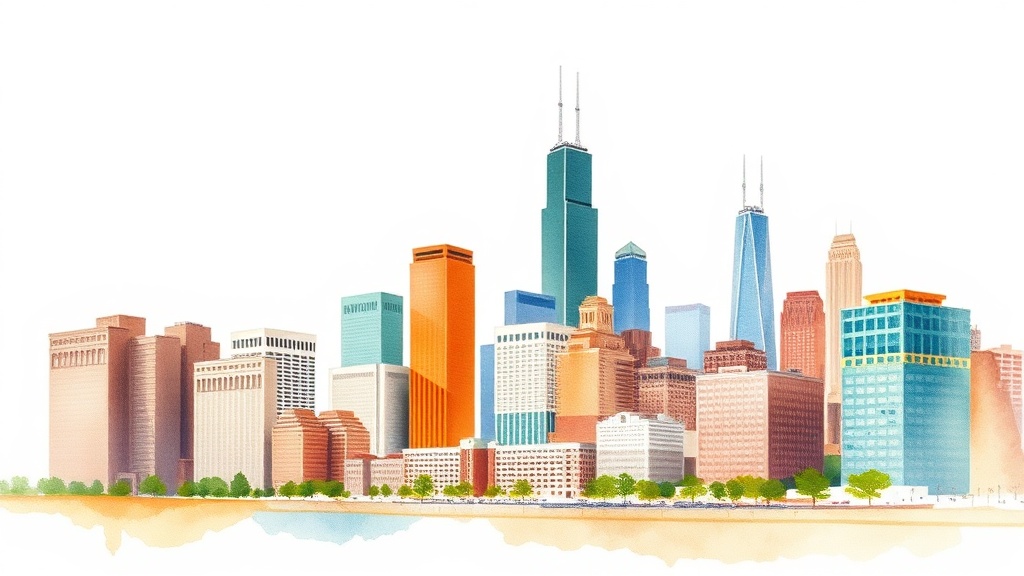
Start with the Chicago Riverwalk and the lakefront. The Riverwalk threads through downtown with cafes, bars, public art, kayak rentals, and places to sit and watch the city glide by. Architecture boat tours are an efficient way to see iconic skyscrapers and learn the stories behind the skyline; cruise operators depart near the river and the lakefront, making them easy to add to any itinerary. Along the lake, expansive beaches and parks offer running trails, picnic spots, and seasonal events that bring waterfront life into the heart of the city.
Food is central to Chicago’s identity.
Deep-dish pizza and the Chicago-style hot dog are must-try classics, but the culinary scene stretches far beyond those staples. Explore West Loop’s restaurant row for elevated dining and small-plate innovation, Pilsen for vibrant Mexican kitchens and mural-lined streets, and Chinatown or Devon Avenue for authentic Asian flavors. For laid-back tasting, look for neighborhood bakeries, cafés, and “polish” shops that highlight local flavor.
Farmers’ markets across the city make it easy to sample seasonal produce and artisanal goods.
Neighborhoods each offer distinct character.
Millennium Park and the Loop are home to major cultural institutions and public art, while Lincoln Park combines free outdoor attractions—like the zoo—and leafy streets. Wicker Park and Logan Square attract creative crowds with independent boutiques, music venues, and coffee shops.
Hyde Park lends historic architecture and a strong cultural scene anchored by the university community. Exploring these neighborhoods on foot or by transit reveals hidden gems beyond guidebook highlights.
Getting around is straightforward. The CTA ‘L’ system and buses connect major neighborhoods and attractions, while Metra trains serve regional commuters. Divvy bikes and miles of protected bike lanes make cycling a practical option, especially along the lakefront trail. Rideshares and taxis fill gaps for late-night returns or trips to less-connected neighborhoods.
Outdoor activities change with the seasons but remain accessible year-round. Warmer months bring festivals, outdoor dining, and waterfront recreation; cooler months offer skating rinks, cozy neighborhood restaurants, and indoor cultural programming. The city is also investing in green infrastructure and improved public spaces to manage stormwater and expand pedestrian-friendly areas, making outdoor exploration more pleasant and resilient.
Tips for a smooth visit:
– Book popular architecture tours or top restaurants in advance to secure the best times.
– Combine a Riverwalk stroll with an architecture cruise for a layered view of the city’s design history.
– Use public transit or bike lanes when possible—parking downtown can be limited and expensive.
– Explore food neighborhoods with an appetite: sampling small plates lets you taste more without overspending.
Whether you’re focused on food, architecture, parks, or neighborhood discovery, Chicago offers a layered urban experience that rewards curiosity. Plan an itinerary that balances signature sights with lesser-known streets, and you’ll leave with a richer sense of what makes the city continually compelling.