Chicago keeps delivering a powerful mix of iconic sights, neighborhood character, and a food scene that rewards curiosity. Whether you’re visiting for a long weekend or rediscovering the city as a resident, here’s a practical guide to the best experiences and how to get the most out of them.
Why Chicago stands out
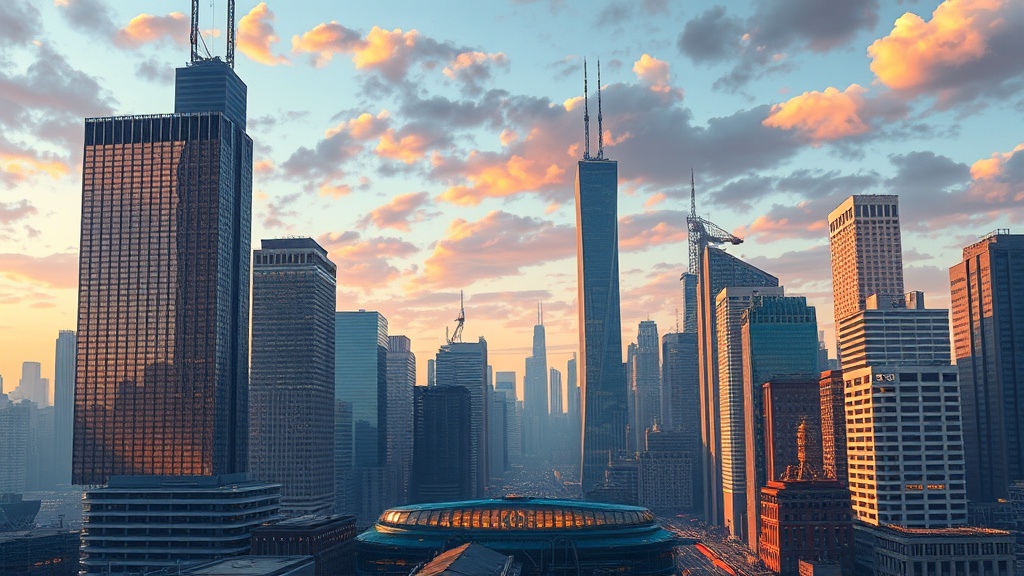
The city’s long shoreline, distinct skyline, and dense cultural institutions create a compact playground where architecture, art, and food collide. Waterfront spaces like the Lakefront Trail and the Chicago Riverwalk offer scenic routes for walking, running, or biking, while elevated rail lines — the “L” — connect diverse neighborhoods efficiently.
Must-see attractions
– Millennium Park and Cloud Gate: A quick stop for photos at the reflective sculpture is essential, but take time to stroll the park’s performance spaces and gardens.
– Architecture boat tour: Seeing skyscrapers from the river gives the best perspective on the city’s architectural evolution.
– Museum corridor: Major museums cluster near the lake — an art institute, natural history exhibits, and an aquarium provide options for all interests.
– Navy Pier and the Riverwalk: Classic visitor destinations with dining, entertainment, and easy access to lakefront views.
Neighborhood highlights
Chicago’s neighborhoods are where the city’s personality shines. For indie shops and nightlife, Wicker Park and Bucktown draw crowds with music venues and coffee shops.
Logan Square balances craft cocktail bars with green boulevards. Pilsen is known for its vibrant murals and Mexican-American eateries, while Chinatown offers authentic dining and cultural landmarks.
For quieter charm and tree-lined streets, consider Lincoln Square or Andersonville, each with its own mix of boutiques and restaurants.
Food to try
Chicago cuisine is both classic and experimental. Don’t miss the contrast between deep-dish pizza and thin, tavern-style pies. A true local experience includes a Chicago-style hot dog (hold the ketchup) and a sandwich piled high with Italian beef. Beyond classics, neighborhoods showcase global flavors — from Mexican and Southeast Asian to inventive seasonal tasting menus — making it easy to build a food-focused itinerary.
Getting around
Public transit is reliable for most tourist corridors: the “L” trains and buses reach downtown attractions and many neighborhoods.
For short trips, the city’s bike-share program and extensive bike lanes make pedaling a practical option. Walking is often faster than driving downtown, especially with traffic and limited parking. Tap-and-go transit cards are widely used and accepted across systems.
Seasonal tips
Weather can shift quickly, so layering is key.
Warm months bring festivals and an active lakefront; cooler months reward museum visits and cozy restaurants.
Many outdoor attractions remain enjoyable across seasons with appropriate clothing.
Practical safety and planning
Like any major city, being aware of surroundings and keeping valuables secure will make visits more enjoyable. Check cultural calendars and neighborhood events to find pop-ups, markets, and performances that add local color to any trip.
Where to start
If time is limited, begin with a river architecture tour, a walk through Millennium Park, and a neighborhood meal to taste the city’s layers.
From there, let curiosity guide you to a museum, a waterfront stroll, and a local bar or bakery — it’s the neighborhood discoveries that turn first-time visits into lasting memories.