Chicago’s lakefront, skyline and neighborhoods make it a city of striking contrasts: historic architecture sits alongside daring modern design, while industrial corridors have been reborn as greenways and cultural hubs. That blend of built heritage and forward-looking urbanism creates a lot to explore, whether you live here or are planning a visit.
A waterfront for everyone
The city’s lakefront is a defining feature and a model of public access. Continuous parks, beaches and the Lakefront Trail provide a rare, nearly uninterrupted stretch of recreational space that links downtown to residential neighborhoods. Walkers, runners, cyclists and anglers share panoramic views of the skyline and lake, with plenty of pocket parks, sculptural pieces and piers that invite people to linger.
The lake’s breezes moderate summer heat but can also create sudden temperature shifts, so layering is wise any time of day.
Architecture and design that tell stories
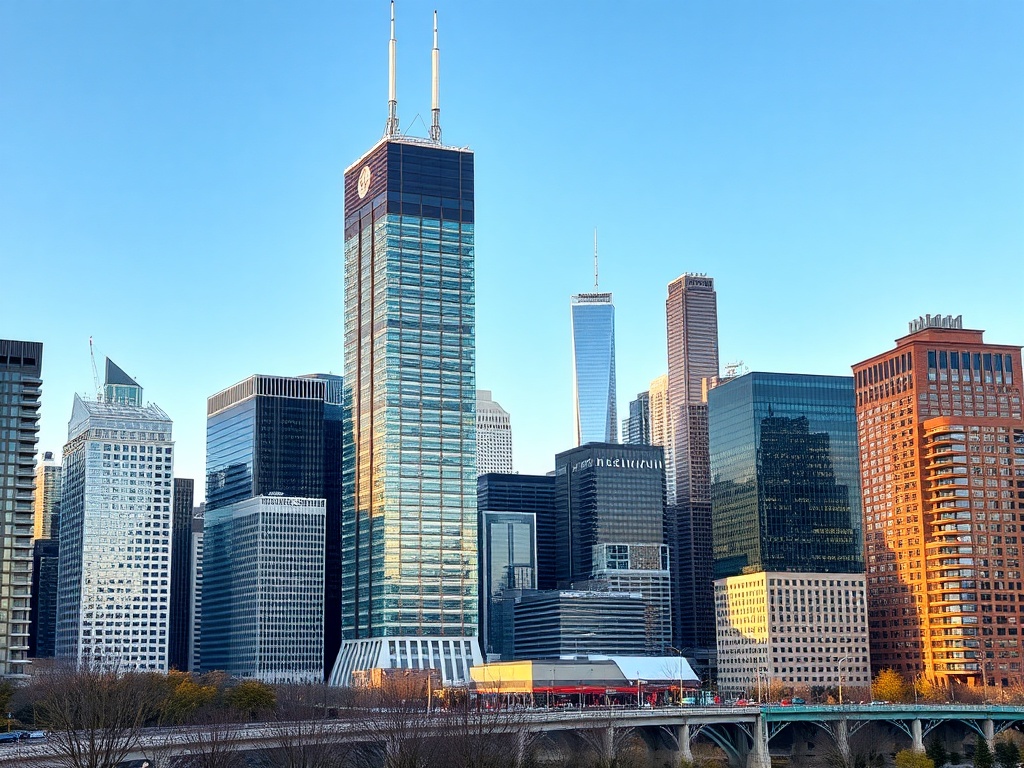
Chicago remains a global classroom for architecture. Early skyscraper experiments sit near iconic modernist glass-and-steel structures and striking contemporary towers. Strolling the Loop, the Riverwalk or neighborhood streets reveals work by pioneers who shaped the city’s vertical profile as well as contemporary architects rethinking density, light and public space. Look for façades that balance ornament and function, rooftops converted into gardens, and mixed-use developments that emphasize walkability and transit access.
Greening the urban fabric
Green infrastructure is a big focus across neighborhoods. Rain gardens, permeable pavements and expanded tree canopy programs are increasingly visible, especially in areas once dominated by industry.
These measures reduce stormwater runoff, cool urban heat islands and create more inviting streetscapes. Community-led greening projects—volunteer garden days, alley transformations and local farmers markets—are strong ways neighbors improve quality of life while building social capital.
The waterborne city
The Chicago River has transformed from an industrial channel to a lively civic spine. The Riverwalk is designed to connect commerce, recreation and ecology with seating alcoves, restaurants and boat-launch points. Water taxis and architectural boat tours offer a different perspective on the skyline and its stories while highlighting ongoing efforts to improve water quality and habitat restoration.
Getting around
Transit options are plentiful: elevated and subway lines serve the central business district and many neighborhoods, while buses, bike-share systems and a growing network of protected bike lanes make short trips efficient.
For scenic commutes or outings, water taxis and ferries are useful alternatives. Parking downtown can be limited and expensive, so relying on transit and two-wheeled options often saves time and stress.
What to experience
– Stroll the Riverwalk at golden hour and grab a coffee or small-plate snack from a waterfront vendor.
– Rent a bike or hop on a shared system to tour the Lakefront Trail.
– Explore a neighborhood beyond downtown for unique dining and independent shops—each community has its culinary specialties and public art.
– Check community calendars for outdoor concerts, art fairs and night markets that animate plazas and parks.
Stewardship and future-facing thinking
Neighborhood groups, civic organizations and planners are collaborating on equitable development, climate resilience and open-space preservation. That civic energy is visible in small-scale placemaking projects and larger infrastructure improvements that aim to balance growth with affordability and environmental stewardship.
Whether you’re drawn to the skyline, the waterfront or the neighborhood pulse, the city rewards curiosity. Approach it on foot, by bike or by river, and you’ll find evolving layers of history, design and community life that keep the city endlessly discoverable.