Chicago’s waterfront is a showcase of how urban design, culinary culture, and green space can coexist to create a vibrant city experience. Between the limestone façades of the Loop and the open sweep of Lake Michigan, there’s a mix of iconic architecture, walkable public space, and a food scene that rewards exploration.
Architecture and the riverfront
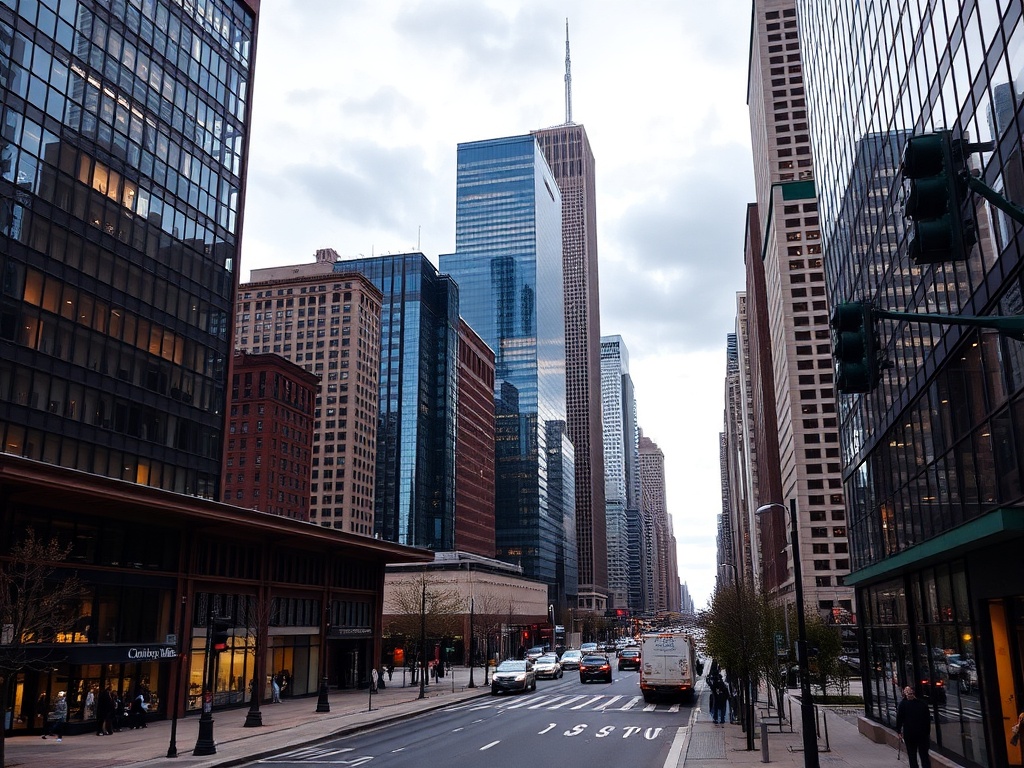
The Chicago Riverwalk stretches through the heart of the city, offering a close-up view of the skyline that built modern skyscrapers. Architecture boat tours remain one of the best ways to understand Chicago’s influence on urban design, with guides pointing out distinct styles from early steel-frame buildings to contemporary glass towers.
Streetside cafes, floating gardens, and sculptural bridges make the river a living museum where every block tells a different chapter of the city’s built environment.
Food and neighborhood flavors
Chicago’s culinary reputation goes far beyond deep-dish pizza. Neighborhoods deliver wildly different dining experiences: grab classic Italian beef in the West Side, explore inventive farm-to-table plates in West Loop, or sample Caribbean and Latin flavors in Bronzeville and Pilsen.
Food halls and small-batch bakeries have multiplied, making it easier than ever to taste multiple local specialties in one visit. For both visitors and locals, discovering a hole-in-the-wall gem often leads to the most memorable meals.
Parks, trails, and active waterfront life
The Lakefront Trail is an essential urban artery for walkers, runners, and cyclists, running continuous miles along beaches, harbors, and parkland. Millennium Park anchors cultural life with public art and free outdoor events, while smaller neighborhood greenways and converted industrial corridors give communities direct access to open space. Kayak and paddleboard rentals along the river let people experience downtown from the water, turning a commuting corridor into a playground during warmer months.
Sustainability and resiliency in practice
Chicago has leaned into resilience through green stormwater infrastructure, expanded bike networks, and targeted shoreline improvements that reduce flooding risks while creating better public amenities. New developments increasingly incorporate green roofs, permeable surfaces, and native plantings, making the city’s growth more climate-aware. Public transit and micromobility options continue to be an important part of reducing congestion and improving air quality, even as the urban core evolves.
Culture, museums, and live entertainment
Museum campuses and theaters offer everything from blockbuster exhibitions to experimental performances. Outdoor festivals and neighborhood street fairs animate the calendar with music, art, and food—creating opportunities to experience the city’s cultural diversity at street level. Smaller galleries and performance spaces in neighborhoods like Logan Square and Chinatown showcase the depth of Chicago’s creative scene.
Tips for visitors and residents
– Plan to walk segments of the riverwalk and lakefront rather than trying to cover everything in a single outing.
– Use public transit or bike-share to move between neighborhoods; parking downtown can be limited and costly.
– Sample both classic and contemporary food offerings—street food and fine dining both capture essential Chicago flavors.
– Check local listings for free or low-cost outdoor events and pop-up markets to tap into community life.
Chicago’s blend of monumental architecture, approachable green spaces, and a restless food and arts scene make it a place that rewards repeat visits. Whether seeking design inspiration, outdoor adventure, or a memorable meal, the city’s waterfront and surrounding neighborhoods offer plenty to explore.