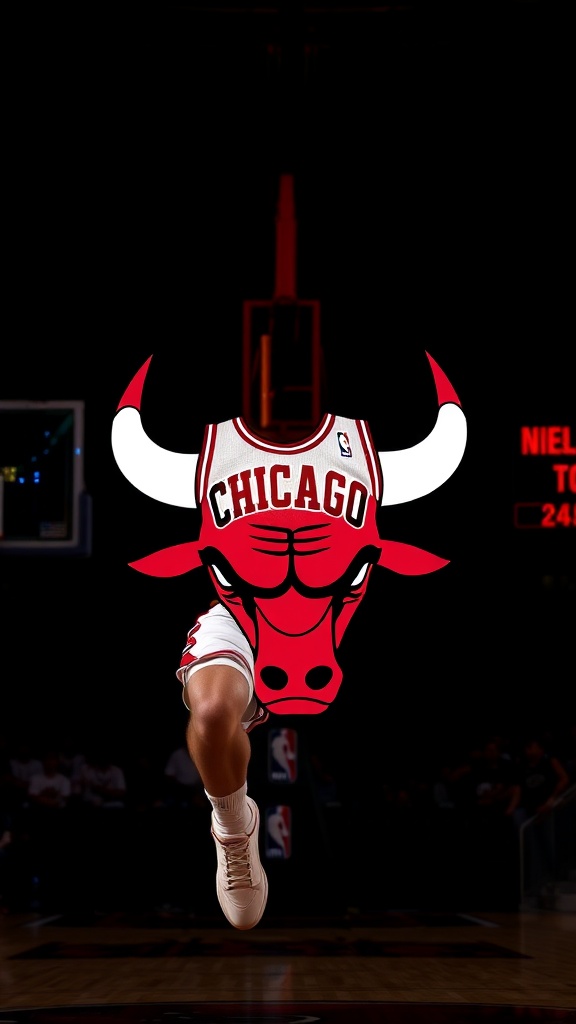
The Chicago Bulls remain one of the NBA’s most recognizable franchises, anchored by a championship legacy and a fiercely loyal fanbase at the United Center. As the league evolves, the path back to consistent contention depends less on nostalgia and more on a clear identity: tough defense, efficient shooting, smart roster construction, and player development.
Clarify the identity: defense first
Teams that succeed in the modern NBA often begin with a defensive foundation. For the Bulls, committing to switchable perimeter defenders and a rim protector creates a repeatable game plan.
A defensive identity simplifies rotations, helps mask occasional offensive cold streaks, and raises the floor for younger players.
Prioritizing defensive metrics — opponent points in the paint, opponent three-point percentage, and defensive rebound rate — provides actionable targets for coaching staff and front office decisions.
Space the floor without sacrificing toughness
Offense today is driven by spacing and shot selection. The Bulls benefit from a roster that can create free-driving lanes and reliable catch-and-shoot options from distance. Adding or developing multiple players who can hit threes at a solid clip and move without the ball compounds scoring efficiency.
That doesn’t mean sacrificing grit; wings who defend at a high level while stretching defenses are the premium pieces.
Free agency and trade targets should be evaluated for two-way impact rather than purely for box-score flash.
Draft, development, and international scouting
Building through the draft remains the most cost-effective route to sustainable success. Emphasize player development infrastructure: individualized skill work, shooting coaches, and robust strength and conditioning programs. International scouting also offers high-upside, cost-controlled talent that can become core rotation pieces. Using the draft to secure role players who fit the team’s identity — defensive wings, playmaking off the ball, and versatile bigs — accelerates roster construction without draining cap flexibility.
Maximize analytics, but keep human context
Analytics should inform, not dictate, decisions. Advanced tracking reveals where lineups succeed and which players fit together on both ends. Combine data with scouting evaluations and psychological assessment to avoid one-dimensional profiles. The most successful teams blend statistical insight with coaching intuition and a culture that rewards accountability.
Depth and veteran leadership
Depth is critical in a condensed schedule and long postseason pushes. Bench units that can protect leads, hold court through defensive stops, and keep turnovers low are worth as much as high-scoring backups. Veteran presence helps stabilize young rotations and raises performance in clutch moments. Target smart, experienced players who can mentor younger teammates while contributing within clearly defined roles.
Fan engagement and brand power
The Bulls’ global brand remains a strategic asset.
Leveraging community programs, digital content, and game-night experiences keeps the fanbase energized through ups and downs. A visible commitment to winning culture — from the front office to the locker room — fuels ticket sales, sponsorships, and player appeal.
A realistic roadmap
Short-term moves should focus on shoring up weaknesses: perimeter defense, consistent three-point shooting, and a dependable playmaker who organizes offense. Medium-term focus should be on drafting and developing cost-controlled talent that fits the defensive and spacing identity. Long-term success flows from sustaining that identity, smart cap management, and fostering a culture that attracts complementary veterans.
With the right blend of defense, shooting, drafting acumen, and veteran guidance, the Bulls can translate their historic brand into a modern contender. Fans can expect the clearest progress where organization-wide clarity meets consistent execution.