Chicago’s waterfront is where the city’s grit meets blue water and green space — a place that keeps evolving while staying unmistakably Chicago. For visitors and locals looking to explore beyond the skyline selfie, the lakefront and riverfront deliver a mix of architecture, outdoor activity, seasonal culture, and bite-sized food discoveries.
Start at the Chicago Riverwalk, a linear public space that threads through the Loop with layered terraces, bars, cafes, public art, and dock access. Architectural boat tours remain a top way to appreciate the city’s design narrative; from the water, even familiar skyscrapers reveal unexpected angles. For a more active view, kayak and SUP rentals are widely available for self-guided paddles; guided ecology trips also spotlight the river’s improving water quality and birdlife.
Millennium Park anchors the lakefront experience. Cloud Gate (the Bean), Crown Fountain, and the lawned gathering spaces are perennial draws that pair well with nearby cultural institutions and concerts. Adjoining greenways like Maggie Daley Park offer family-friendly play areas and winding paths for walking or biking.
For a longer, uninterrupted ride, the Lakefront Trail parallels the shoreline with beaches, harbors, and skyline panoramas — ideal for running, cycling, or a peaceful sunset stroll.
Navy Pier is transitioning from amusement-center nostalgia toward mixed-use programming and public space upgrades, making it worth a stop for both new attractions and classic lake views. Along the lakeshore, public beaches provide summer swimming and sandy relaxation; in off-peak months the same stretches become quiet places for reflective walks and birdwatching.
Neighborhoods near the water are full of small discoveries. The West Loop and Fulton Market districts are known for creative restaurants and repurposed industrial spaces; Pilsen and Logan Square reward explorers with vibrant murals, independent cafes, and community markets. Food options on the riverfront lean toward casual kiosks and pop-ups, but branching one or two blocks inland unlocks an impressive range of dining styles — from Chicago’s iconic handhelds to globally influenced tasting menus.
Getting around is straightforward: the city’s transit lines reach key waterfront access points, and bike-share and scooter services plug gaps for short trips.
Parking near popular waterfront destinations fills quickly, so consider public transport or rideshares for evenings and weekends. For quieter visits, aim for early mornings when the walkways and beaches are most peaceful.
Sustainability and adaptive reuse are shaping recent waterfront improvements.
Stormwater-friendly landscaping, native plantings, and coastal restoration projects enhance habitat and resilience, while former industrial sites are being transformed into parks and mixed-use neighborhoods. Those interested in ecology can find interpretive signage and volunteer opportunities tied to river and lake stewardship programs.
Practical tips: bring layered clothing to handle lake-effect breezes, wear sunscreen when spending extended time on the water, and check local event calendars for live music, outdoor festivals, and seasonal programming that can enrich a visit. For photographers, blue-hour shots from the Riverwalk or the east side of the lakefront capture reflective water and illuminated architecture.
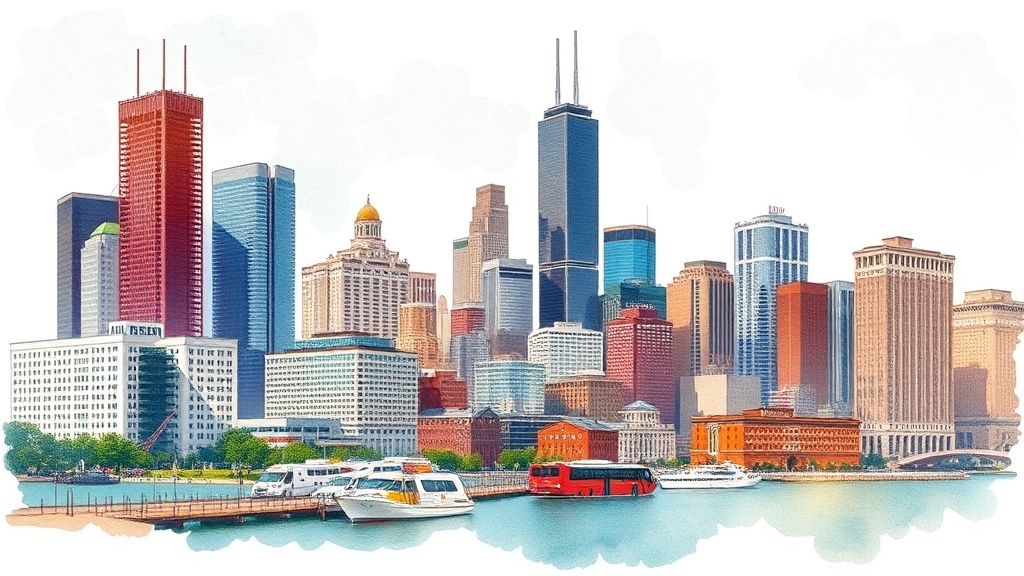
Exploring Chicago’s waterfront is a flexible experience — equally suited to active days on the trail, reflective mornings by the water, or evenings filled with food and live performance. It’s where civic ambition meets everyday life, and every visit offers a new angle on a familiar skyline.