Wrigley Field still feels like the heart of Chicago baseball — a place where ivy-covered walls meet modern amenities and a passionate fan base keeps traditions alive.
The Chicago Cubs remain one of the most visible franchises in the sport, blending deep-rooted history with an ongoing push to modernize both the ballpark experience and the way the team is built on the field.
Wrigley Field and the rooftop culture
Few ballparks deliver atmosphere like Wrigley. The ivy along the outfield wall, manual scoreboard, and iconic marquee are fixtures that keep longtime fans coming back, while steady investments in seating, concourses, and video boards have brought the park into the modern era without erasing its character.
The rooftop stands across the street remain a unique part of the experience, offering a social, panoramic view of games and contributing to the neighborhood’s gameday economy. For visitors, planning ahead is key: rooftop tickets and bleacher seats sell quickly, and navigating surrounding streets benefits from public transit and ride-share strategies.
Fan experience and gameday trends
Gameday has become more than the action on the field. Upgraded food and beverage offerings, craft beer selections, and enhanced accessibility options aim to make visits comfortable for families and longtime supporters alike. Digital ticketing and mobile-first amenities are now standard; fans expect seamless entry, real-time stats, and social moments that are easily shareable. Community programming — youth clinics, charity initiatives, and local partnerships — reinforces the team’s ties to the city beyond the season.
Roster-building: balancing tradition and analytics
On the field, the organization mixes scouting instincts with advanced analytics. There’s a clear emphasis on developing pitchers with high spin rates and repeatable mechanics while encouraging hitters to pair contact skills with smarter launch-angle approaches. Bullpen depth is a focus across the league, and the Cubs have followed suit by valuing multi-inning relievers and high-leverage specialists.
International scouting and the draft pipeline are treated as essential sources of long-term talent, complementing trades and veteran signings when the team targets immediate upgrades.
Prospect development and patience
The farm system is a centerpiece for sustained success. Emphasis on individualized player development plans, biomechanical analysis, and workload management aims to protect arms and maximize peak performance windows. Fans watching up-and-coming players should look for steady contact rates, plate discipline, and in-game adjustments—traits that tend to translate faster at the major-league level than raw power alone.
Rivalries and city identity
The Cubs remain a major part of Chicago’s sports identity, with rivalries that ignite neighborhoods and social media alike. Whether it’s cross-town bragging rights or competitive series against historic rivals, those matchups are central to the fan calendar. Community outreach and local storytelling continue to bind generational fans—parents who once queued for Wrigley bleacher tickets now bring young fans to the same seats.
What to watch
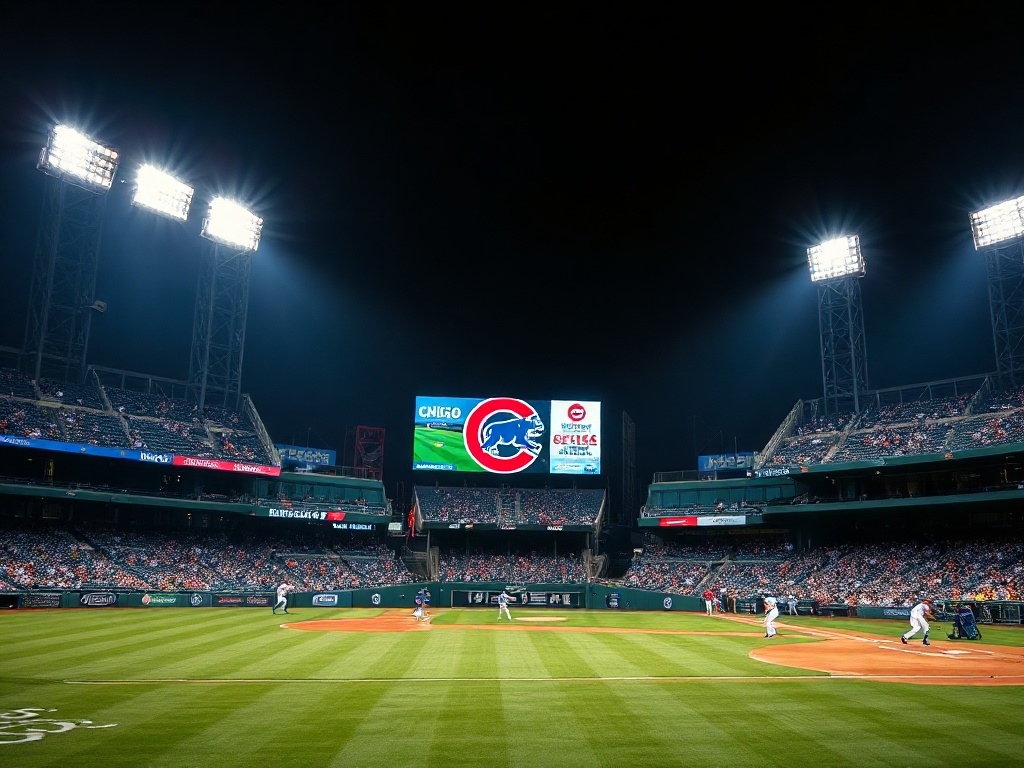
Keep an eye on how the organization adapts in-season: lineup versatility, bullpen usage, and the development curve of top prospects will be revealing. Off the field, innovations in fan engagement and continued investment in Wrigley’s neighborhood ecosystem will shape how future generations experience Cubs baseball.
For anyone exploring Chicago baseball, Wrigley Field and the Cubs offer a blend of authenticity and evolution—where memory and momentum coexist, and every game can produce a new story worth following.