Why the Chicago Bears Still Matter: Identity, Rebuild, and What Fans Should Watch
Few franchises capture a city’s identity like the Chicago Bears.
Between a storied defense, a blue-collar fan base, and one of the most iconic stadiums in the sport, the Bears remain a central part of Chicago’s cultural fabric.
For fans and observers alike, the big questions are familiar: how will the franchise combine tradition with modern strategy, and what should you watch as the team continues to rebuild?
Built on defense, adapting to today
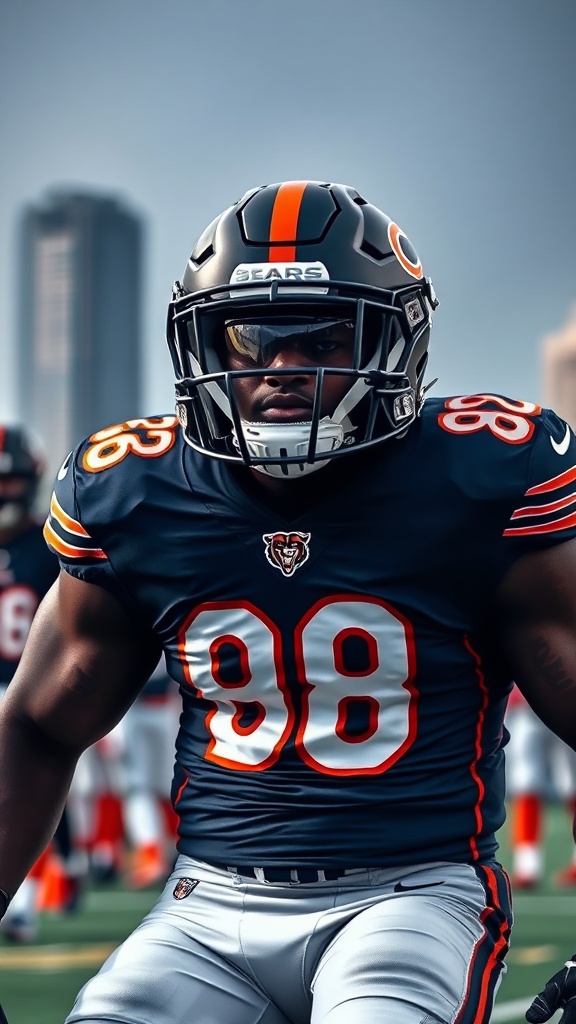
The Bears are synonymous with defensive toughness — a legacy that stretches from the days of the 46 defense to modern pass-rush schemes. That DNA still shapes roster construction: prioritizing a disruptive front seven, versatile linebackers, and defensive backs who can cover and tackle in space. The challenge is balancing that identity with an offense that can keep up in a pass-heavy league.
Successful modern defenses often rely on speed, flexibility, and schematics that create mismatches rather than purely size. For the Bears, mixing established veterans with young, athletic playmakers provides a pathway to remain competitive while developing long-term assets.
Front office moves: draft, development, and patience
Long-term success rarely comes from splash trades alone. Smart drafting, player development, and tactical free-agent spending form the most sustainable blueprint.
The Bears’ most durable advantage is local infrastructure: a strong scouting presence, advanced analytics departments, and a facilities commitment that supports player growth.
Expect continued emphasis on building through the draft — particularly on offensive line depth, edge rushers, and skill-position players who fit a modern, adaptable offense. Player development at Halas Hall and strength-and-conditioning programs are equally important. When prospects receive quality coaching and a patient timeline, upside converts into reliable starting talent.
Quarterback play and offensive balance
Every team’s ceiling is tied to quarterback play. For the Bears, the focus is developing a QB who can manage pressure, make plays outside the structure when needed, and deliver consistent accuracy on intermediate throws. Surrounding that quarterback with a strong offensive line, quick-developing pass-catchers, and a reliable rushing attack will reduce variance and sustain drives.
Modern offensive schematics reward pre-snap flexibility, RPOs, and play-action that leverages a credible ground game.
Blending tempo with situational attack helps keep defenses off-balance and protects young signal-callers.
Rivalries, home-field, and fan experience
The Bears’ rivalries — especially those that define Midwest football — remain a major draw. Soldier Field’s backdrop and gameday traditions make home matchups special, and fan rituals like tailgating and neighborhood watch parties preserve the community feel. Investment in fan experience matters as much as on-field moves: accessibility, in-stadium amenities, and local engagement sustain long-term loyalty.
What to watch next
– Draft capital and free-agent signings that fill clear roster gaps rather than headline-grabbing moves.
– Development curve of young players on both sides of the ball, especially along the offensive line and the pass rush.
– Offensive play-calling trends: whether the team increases tempo, adds more play-action, or leans into run-pass balance.
– Health and depth — durability often separates contenders from pretenders in the grind of a full campaign.
For fans, patience plus clear direction pays off.
The Bears have the building blocks — history, fan intensity, and resources — to compete when strategy, development, and health align. Keep an eye on roster construction and scheme evolution; those signals show whether the franchise will turn potential into sustained success.