The Chicago Bulls are more than a basketball team — they’re a cultural touchstone that blends championship pedigree with a passionate urban fanbase.
Whether you’re a longtime supporter or a newcomer following the NBA, the Bulls offer a compelling mix of tradition, star power, and a clear direction that keeps them in the conversation.
Legacy and identity
The Bulls’ identity is anchored by legendary success and an iconic global presence. That history shapes expectations and creates a unique pressure to perform, but it also fuels a playoff-driven mindset throughout the organization. The franchise balances honoring that legacy with the need to evolve strategically in a league defined by pace, spacing, and positionless basketball.
Team construction and style of play
Roster composition has been trending toward versatility: ball-handling wings who can create offense, playmakers who push the pace, and bigs who stretch the floor and defend the rim. The most successful lineups blend veteran scoring with young athleticism and defensive intensity. Offensively, the emphasis is on moving the ball, creating open perimeter shots, and attacking mismatches in pick-and-roll situations. Defensively, the focus is improving communication, reducing easy drives, and contesting shots without sacrificing rotation.
Player development and depth
Player development is central to sustained success. The Bulls have invested in coaching, analytics, and a development pipeline designed to turn second-round picks and international prospects into reliable rotation pieces. The Windy City G League affiliate plays a key role for minutes and on-court growth, allowing prospects to refine decision-making, shooting mechanics, and defensive footwork before stepping into NBA minutes.
Front office approach
Modern front offices blend scouting with analytics and cap management.
The Bulls have prioritized acquiring complementary pieces that fit a core identity while maintaining flexibility to pursue upgrades. International scouting and strategic trades are common levers to accelerate rebuilds or add finishing pieces for a playoff push. Smart cap planning and willingness to make bold but disciplined moves help avoid long rebuild cycles.
Game-day experience at the United Center
Game nights at the United Center remain a highlight for fans. From pregame energy to the iconic arena atmosphere, attending a Bulls game is about spectacle and community. Whether it’s watching a high-scoring stretch, hearing fans chant during defensive stands, or taking in the merchandise and local food options, the United Center experience keeps fans coming back.
Rivalries and narratives
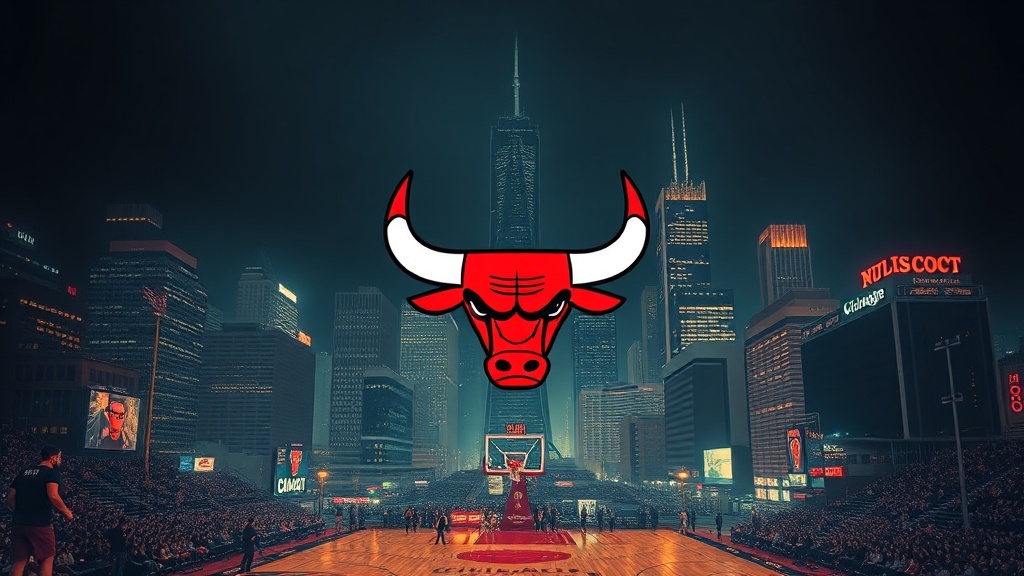
Rivalries add spice to the schedule. Matchups against conference foes draw intense interest and often serve as measuring sticks for the team’s progress.
These games offer a window into how the roster performs under pressure and how the coaching staff adjusts strategy in tightly contested moments.
What to watch next
– Player chemistry: How well do ball-handlers and shooters sync in half-court sets?
– Defensive consistency: Can rotations and communication cut down on easy looks?
– Bench production: Depth often determines late-season durability and playoff readiness.
– Front office moves: Trades or signings that address clear roster holes can shift momentum quickly.
For fans and followers, the Bulls present a story of ambition and adaptation. With a mix of established scorers, developing talent, and a fanbase that expects excellence, the franchise remains a must-watch team whenever the stakes are high. Keep an eye on roster adjustments, player growth, and how the team executes under pressure — those factors will determine whether they can convert potential into postseason success.