The Chicago Cubs remain one of the most talked-about franchises in baseball because of a blend of tradition, fan intensity, and a clear plan for the future. Whether you follow roster moves, prospect development, or the Wrigley Field experience, there’s plenty that keeps the Cubs relevant and worth watching.
A youth-first approach on the field
The organization has leaned into a youth movement, prioritizing high-upside position players and pitchers developed through the farm system.
That strategy aims to create a sustainable core of homegrown talent rather than relying only on big-ticket free agent signings.
Keep an eye on how the front office balances prospect promotions with veteran leadership — the mix of youthful energy and clubhouse experience can determine how competitive the team becomes.
Pitching development and analytics
Pitching remains a focal point. The club’s development pipeline emphasizes command, velocity profiles, and spin-rate optimization. Analytics guide individualized pitch plans, with a growing emphasis on repertoire diversification and late-inning depth.
Expect continuing investments in pitching coaching and workload management as the team seeks to protect arms while maximizing performance.
Hitting philosophy and lineup construction
Offensively, the focus has shifted toward plate discipline, launch angle optimization, and situational hitting. Hitting coaches are blending old-school approaches with modern data — teaching players to maintain a consistent two-strike approach while leveraging launch metrics to boost power without sacrificing contact. Lineup construction increasingly values versatility: players who can handle multiple positions and switch-hit or provide power from unexpected spots in the order are especially valuable.
Wrigley Field and fan experience
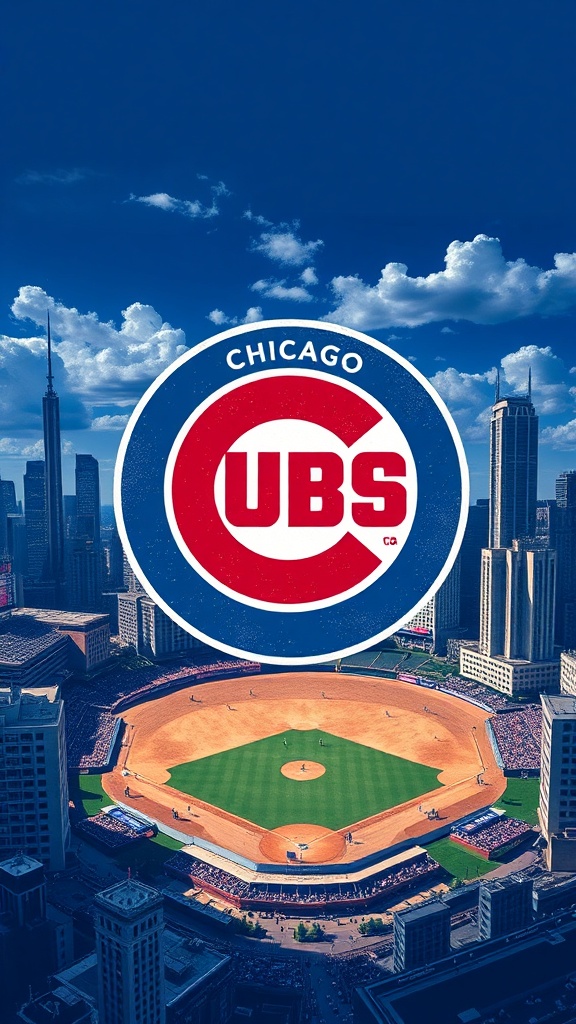
Wrigley Field remains central to the Cubs’ identity. The ballpark’s ivy-covered walls, hand-turned scoreboard, and the surrounding Wrigleyville neighborhood create a unique game-day atmosphere that draws locals and visitors alike. Recent enhancements to concessions, sightlines, and amenities aim to modernize the fan experience while preserving the stadium’s classic charm. Rooftop seating and pregame bar scenes still make Cubs games a full-day event for many fans.
What to watch this season
– Young core progression: Which prospects stick at the major-league level and which need more seasoning?
– Starting rotation depth: How the team sustains innings and whether midseason arms emerge as late-inning weapons.
– Bullpen role clarity: The emergence of reliable high-leverage relievers can be a season-maker.
– Trade-market activity: Watch for strategic moves that address specific roster gaps without disrupting long-term plans.
Community and culture
The Cubs organization places strong emphasis on community engagement. Local youth programs, charity partnerships, and ballpark events aim to keep ties strong with the city. Fans’ expectation remains high, but there is also a broad appreciation for a process-driven rebuild that prioritizes long-term competitiveness.
Why it matters for fantasy and tickets
For fantasy players, the Cubs’ young hitters can present sleeper value, especially if they receive regular at-bats or positional flexibility.
For fans buying tickets, weekday games and non-prime matchups sometimes present the best opportunities for lower prices and more relaxed crowds — while marquee matchups still offer the full Wrigley Field spectacle.
The Cubs are navigating a pivotal phase: balancing the excitement of emerging talent with the pressure to win.
For followers who appreciate strategic roster-building and the iconic ballpark atmosphere, the team continues to offer compelling storylines worth tracking all season long.