The Chicago Bears remain one of the NFL’s most recognizable brands, anchored by a storied past and a passionate fanbase.
Between the iconic navy and orange, the echoes of the “Monsters of the Midway,” and the brick-and-mortar presence at Soldier Field and Halas Hall, the team’s identity blends tradition with an evolving strategy to compete in a league that prizes speed, versatility, and quarterback play.
Franchise identity and football philosophy
Defense has always been central to the Bears’ identity.
Historically, the franchise built championships around dominant defenses and a power-run game. Today’s competitive model still values a fast, physical front seven and a secondary that can cover across the field, but modern defenses must also create pressure without heavy blitzing and defend against sophisticated passing schemes. Successful teams blend classic toughness with scheme flexibility and situational analytics.
On offense, continuity has been a challenge for the franchise.
Building protection, adding dynamic playmakers, and ensuring the quarterback has clear progressions remain priorities.
A balanced attack that can threaten downfield while sustaining drives with the run and short passing game helps control the clock and supports the defense by keeping the opponent off the field.
Roster construction: draft, development, and free agency
Smart roster-building balances drafts, player development, and selective free-agent moves. Draft capital is essential for foundational positions—offensive line, cornerback, edge rusher, and versatile running back—while free agency can fill immediate needs and add veteran leadership.
Emphasis on player traits like athleticism, football IQ, and positional versatility pays long-term dividends, especially when the coaching staff prioritizes clear role definitions and targeted development plans.
Coaching and analytics
Modern coaching marries traditional positional coaching with analytics-driven situational decisions. Teams that integrate data—on fourth-down decisions, play-calling tendencies, and matchup advantages—tend to squeeze extra wins out of tight schedules. For the Bears, investing in coaching continuity and a coherent offensive and defensive identity helps young players accelerate their development and makes game planning more efficient.
Fan experience and community
Chicagoans are known for supporting their teams through every weather and playoff drought.
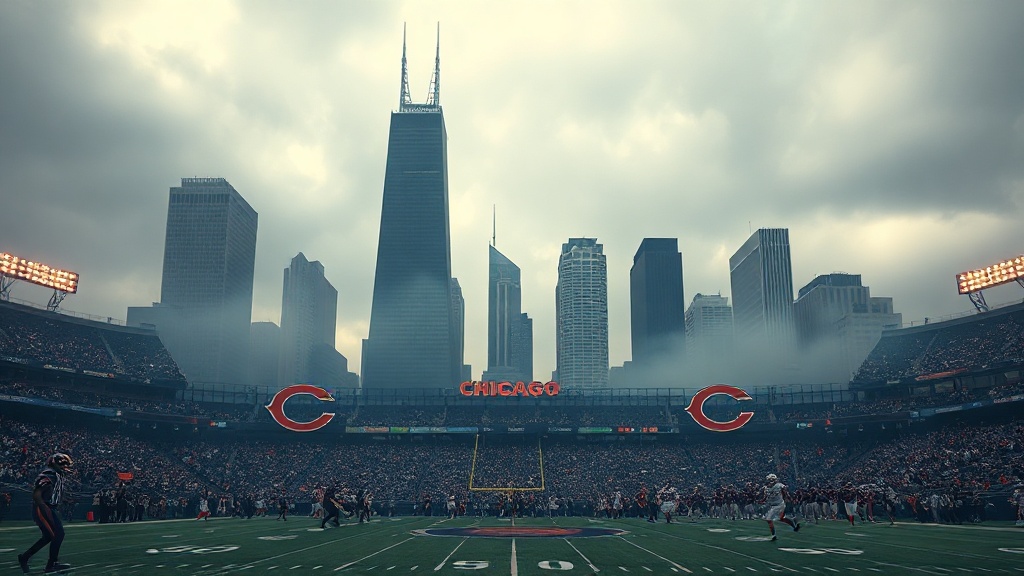
Game day at Soldier Field remains a bucket-list experience: skyline views, lake breezes, and a rowdy crowd wrapped in navy and orange. For fans, planning ahead—transport options, timing for pregame tailgates, and entry logistics—reduces stress and enhances the day. The franchise’s community initiatives and local partnerships keep ties strong across neighborhoods, making the team a civic institution beyond the scoreboard.
What to watch
– Quarterback stability and protection: Who gives the offense consistency and a chance to sustain drives?
– Defensive impact players: Which edge rushers and coverage defenders can create turnovers and pressure?
– Draft and development returns: Which young players take clear developmental leaps in training camp and early games?
– Coaching continuity: Does the scheme and play-calling reflect a coherent, long-term vision?
Why it matters for Chicago
A competitive Bears team boosts the entire region—economic activity on game days, increased youth football participation, and civic pride.
For leadership, balancing heritage with innovation is the path to sustainable success: preserve what made the franchise great, but adapt to the modern game’s speed and complexity.
Whether you’re a longtime season-ticket holder or a casual observer, the franchise is worth watching for its blend of history, passionate fan culture, and the strategic moves that define modern NFL building blocks.