University of Chicago: what makes it distinctive and where it’s headed
The University of Chicago is known for a culture of rigorous inquiry that shapes everything from classroom discussion to campus life. Central to that reputation is a broad intellectual foundation that encourages students to read primary texts, argue carefully, and connect ideas across disciplines. This approach attracts students who want a deep, discussion-driven education and prepares them for careers in research, policy, business, and the arts.
Academics and research strengths
The academic model emphasizes breadth and depth.
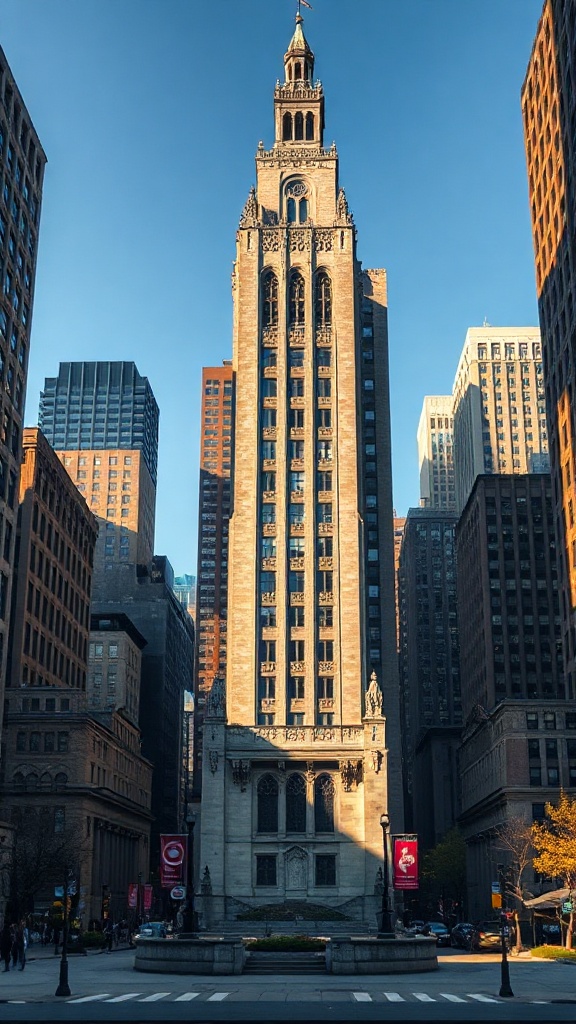
A core curriculum exposes students to philosophy, quantitative reasoning, the arts, and natural sciences, while departmental programs allow intense specialization. The university’s faculty are active researchers across many fields—economics, physics, medicine, social sciences, and the humanities—and the institution is frequently at the forefront of new scholarship and debate. That combination of teaching excellence and research productivity creates ample opportunities for undergraduates and graduate students to engage in original work, collaborate on projects, and publish findings.
Professional schools and innovation
Professional schools on campus bring academic rigor to business, law, public policy, and medicine, with practical training and close ties to industry and government. Entrepreneurship and technology commercialization are supported through campus incubators, accelerators, and partnerships with the city.
These resources help students and faculty turn discoveries into startups and civic solutions, making the university an important node in the city’s innovation ecosystem.
Campus, community, and student life
Set in a diverse neighborhood with strong cultural offerings, the campus blends iconic Gothic architecture with modern facilities and extensive library collections.
Student life balances intense academics with vibrant extracurriculars: dozens of student organizations, performing arts groups, civic engagement programs, and competitive club sports. Community engagement is a core value; many programs connect students with neighborhood organizations, public schools, and local policy initiatives to create meaningful impact beyond campus.
Sustainability and civic engagement
Sustainability efforts and urban partnerships feature in campus planning and research initiatives. Collaborative projects tackle urban challenges like transportation, public health, and environmental resilience, often involving interdisciplinary teams that include students at all levels.
Public-facing events—lectures, debates, film screenings, and exhibitions—make the campus a hub for civic conversation and cultural exchange.
Tips for prospective students and visitors
– For applicants: emphasize intellectual curiosity and the quality of your engagement rather than sheer quantity of activities. Thoughtful essays that reflect how you think and what drives you will resonate.
– Financial aid: the university offers a range of need-based support and resources—connect early with admissions and financial aid offices to explore options.
– Campus visits: attend a class or public lecture when possible, walk the parks and libraries, and explore the neighborhood to get a sense of both academic life and local culture.
– Research and internships: reach out to faculty whose work aligns with your interests; many professors welcome motivated students for research assistance or independent study.
Whether you’re weighing where to apply, planning a visit, or looking for collaboration, the University of Chicago offers a distinctive blend of intellectual rigor, research opportunity, and civic engagement. Its environment rewards curiosity and hard thinking, and it continues to be a place where ideas and practice intersect in ways that shape careers and communities.