Chicago delivers a striking mix of lakefront beauty, bold architecture, and a food scene that keeps locals and visitors coming back. Whether you’re planning a first visit or exploring the city like a local, these highlights and practical tips make it easy to experience what defines Chicago.
Why Chicago stands out
Chicago’s skyline and public spaces multiply opportunities for discovery.
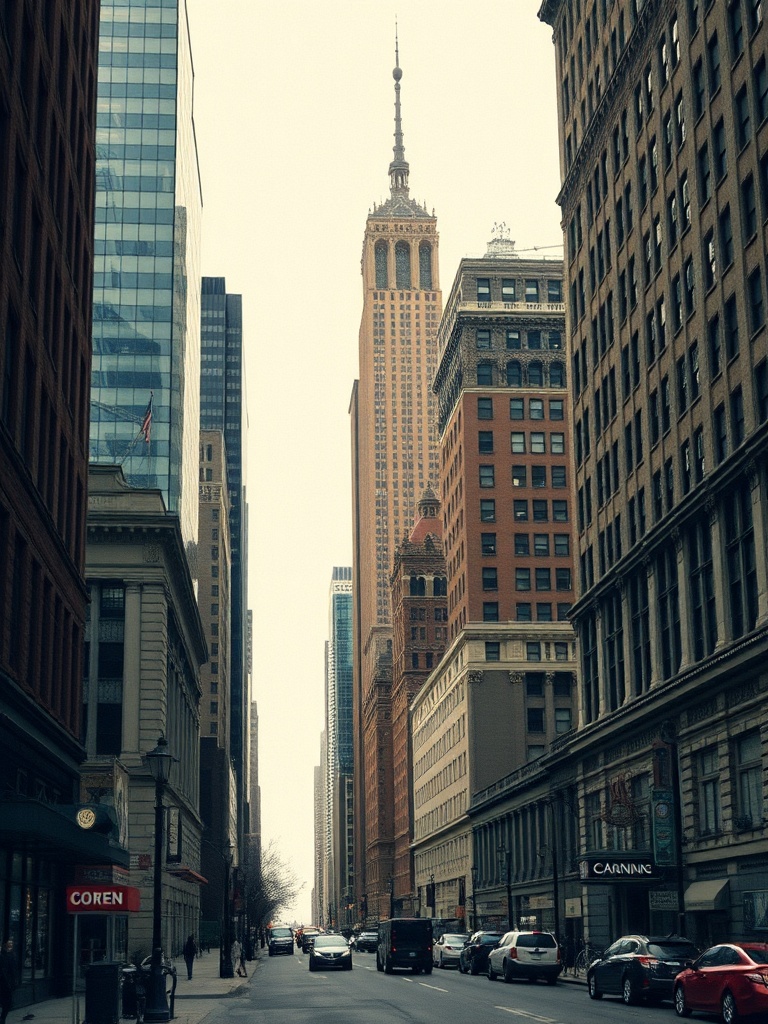
The Chicago Riverwalk and the Lakefront Trail showcase the city’s relationship with water, offering waterfront dining, recreational paths, and scenic viewpoints. Architecture tours—by boat or on foot—reveal iconic skyscrapers alongside contemporary design, making every neighborhood feel like an open-air museum.
Neighborhoods worth exploring
– Loop & River North: The downtown core is home to theaters, major museums, and an energetic restaurant scene.
The Riverwalk is a prime starting point for exploration.
– Lincoln Park & Old Town: Green spaces, family-friendly attractions, and charming streets with boutique shops and cafés.
– Wicker Park & Bucktown: Trendy boutiques, music venues, and a lively nightlife draw creative crowds.
– Pilsen: Known for vibrant murals, Mexican-American culture, and an emerging gallery scene.
– Hyde Park: Cultural institutions and a collegiate atmosphere create a quieter, intellectual vibe.
– Chinatown and Little Italy: Satisfy cravings with authentic flavors and community festivals.
Food and drink
Chicago’s culinary identity extends far beyond its famous deep-dish pizza.
Sample tavern-style thin crusts, classic Italian beef sandwiches, and the city’s distinctive hot dog.
At the same time, award-winning fine dining and dynamic neighborhood eateries highlight local produce and global influences. Farmers markets, rooftop bars, and brewery taprooms add to the city’s flavor landscape.
Culture and attractions
Major institutions anchor Chicago’s cultural life, including world-class art museums, natural history collections, and interactive science centers.
The theater district stages Broadway productions and inventive indie plays. Outdoor public art, seasonal installations, and music festivals keep cultural programming lively throughout the year.
Outdoors and recreation
Chicago’s lakefront parks, beaches, and bike-friendly routes create easy ways to get outside. The Lakefront Trail spans miles of paved paths for walking, running, and cycling, while pocket parks, playgrounds, and dog-friendly areas suit every pace.
Boating, kayaking, and lake cruises offer unique skyline views.
Getting around
Public transit is efficient for moving between neighborhoods. Trains and buses connect major points, while rideshares and water taxis provide flexible alternatives.
For short trips, shared bikes and electric scooters are convenient options—just be mindful of local regulations and bike lanes.
Tips for a smoother visit
– Plan: Concentrate on a few neighborhoods per day to get a real feel for each area.
– Weather-ready: Chicago’s lake effect can change conditions quickly; layer clothing and carry an umbrella.
– Reservations: Popular restaurants and architecture tours fill up fast—reserve ahead where possible.
– Local passes: Museum and attraction passes can save time and offer skip-the-line benefits.
Chicago remains a city of contrasts—historic and cutting-edge, urban and open-air—with a cultural richness that rewards repeat visits.
Whether you’re drawn by food, design, music, or lakefront sunsets, the city offers something compelling on every block.