Chicago’s energy comes from a mix of bold architecture, lakefront life, and a neighborhood-by-neighborhood cultural scene that rewards exploration.
Whether you’re planning a first visit or rediscovering the city, there’s a balance of classic attractions and fresh developments that make Chicago endlessly interesting.
Why Chicago stands out
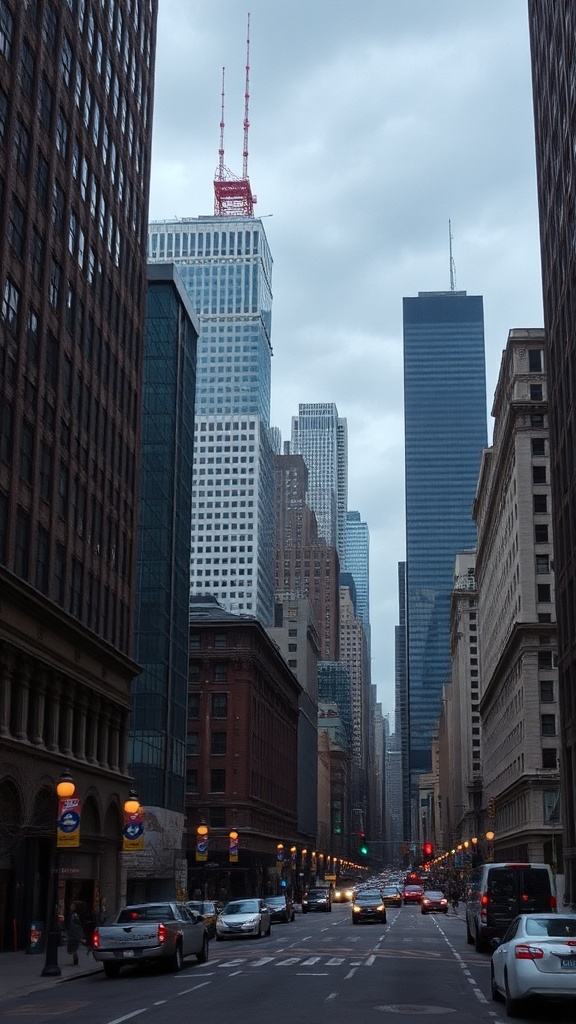
Chicago’s skyline is a living museum: historic skyscrapers sit alongside contemporary glass towers, and architecture boat tours remain one of the best ways to see that story unfold. The lakefront is another signature asset — an extensive public park system, beaches, and a continuous trail invite runners, cyclists, and families to enjoy green space with dramatic city views.
Neighborhoods to explore
Each neighborhood offers a distinct personality.
The Loop hosts cultural institutions and theater districts. Museum Campus clusters major museums near the lake.
Arts-driven neighborhoods showcase street murals, independent galleries, and vibrant music scenes. Food-focused areas reward wandering: from casual street eats and neighborhood bakeries to refined tasting menus, the city’s culinary reputation keeps expanding.
Food and drink
Chicago’s food scene blends comfort classics with innovative chefs.
Iconic dishes draw visitors — hearty sandwiches, deep-dish variations, and diverse immigrant cuisines — while a growing number of restaurants earn national acclaim for creativity and sustainability. Craft breweries, cocktail bars, and coffee shops thrive across neighborhoods, making food a central way to experience local culture.
Parks, public space, and the river
Public-space investments have transformed the river and lakefront into destinations. Riverwalk developments, expanded pedestrian paths, and new waterfront plazas encourage outdoor dining, kayaking, and scenic strolls. City-driven green infrastructure projects — from green roofs to permeable pavement — aim to improve stormwater management and urban cooling while expanding recreational spaces.
Arts, festivals, and nightlife
Museums and performance venues anchor a robust arts calendar.
Annual festivals — large outdoor music gatherings, food festivals, and neighborhood street fairs — draw locals and visitors alike. The theater scene remains strong, with downtown stages and storefront companies presenting a mix of new work and classics.
Transit and mobility
Chicago’s transit network supports getting around without a car: subway lines, elevated trains, buses, commuter rails, and a growing bike network link neighborhoods and suburbs. Ongoing investments in transit improvements and airport modernization shape how residents and visitors move through the region, while micro-mobility options make short trips easier.
Economic and social trends
A diverse economy includes finance, manufacturing, logistics, and a growing tech and creative sector. At the same time, housing affordability and equitable growth are central topics in civic conversation, with community organizations and city initiatives focused on inclusive development and neighborhood preservation.
Top things to do
– Take an architecture boat tour along the river
– Walk or bike the lakefront trail and visit beaches
– Visit major museums and rotating exhibitions
– Sample neighborhood restaurants and street food
– Catch a live concert or theater performance
– Explore local markets and seasonal festivals
Practical tips
Public transit is often the fastest way to navigate downtown; wear comfortable shoes for walking; and check event schedules for neighborhoods, as street festivals can change traffic and transit options.
Weather can shift quickly near the lake, so layers are useful for outdoor plans.
Chicago blends big-city amenities with neighborhood intimacy. From skyline views to community dining rooms, its mix of culture, commerce, and public space keeps the city lively and full of discovery.