Chicago’s reinvention: riverfronts, neighborhoods, and a greener lakefront
Chicago remains a city of reinvention — where bold architecture meets neighborly storefronts, culinary craft, and a growing commitment to public space and climate resilience.
Whether you’re planning a visit or looking for fresh ways to experience the city, these evolving urban assets make Chicago feel both timeless and newly energized.
Rivers and the Riverwalk: urban life on the water
The Chicago River and its Riverwalk have become central public living rooms. Walkable promenades, places to sit and eat, kayak launches, and seasonal pop-ups make the river a year-round destination for residents and visitors.
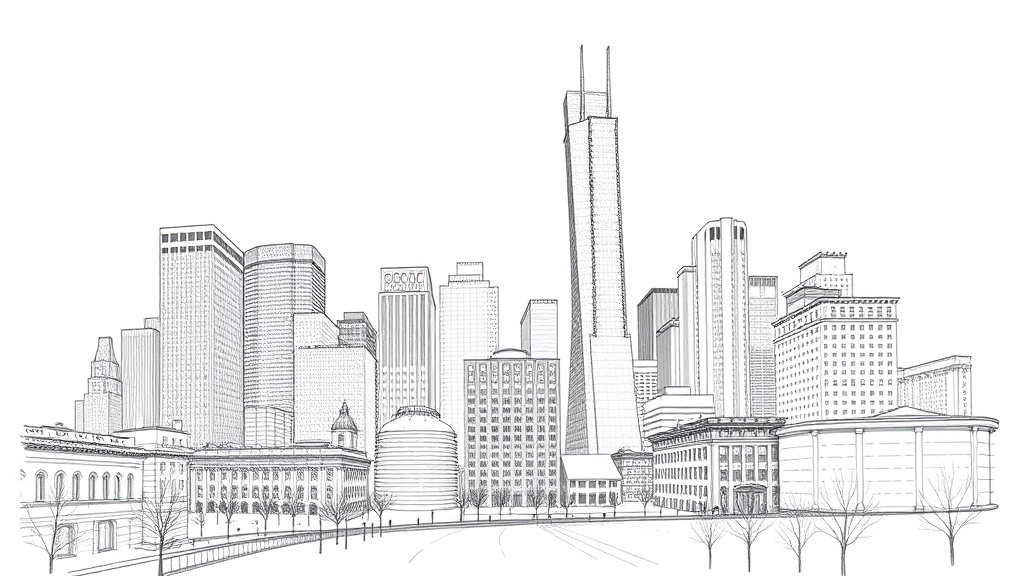
Architecture boat tours continue to be one of the best ways to learn the city’s design story while enjoying skyline views framed by historic and contemporary buildings.
Lakefront and parks: access and resilience
Chicago’s lakefront remains one of the most accessible major-city shorelines in the country.
Expansive beaches, bike and pedestrian paths, and green spaces create a continuous ribbon of recreation.
City planners and community groups are also focused on making the lakefront more resilient to storms and fluctuating water levels through naturalized shorelines, stormwater capture projects, and native plantings that support pollinators and reduce erosion.
Neighborhood discovery: beyond the Loop
Each neighborhood offers a distinct personality. From long-established commercial strips filled with bakeries and barbershops to newer mixed-use corridors where independent boutiques and craft breweries thrive, exploring outside the downtown core reveals why locals love the city.
Neighborhood festivals, weekly markets, and an ever-growing roster of chef-driven restaurants bring community energy to residential streets.
Transportation: getting around smarter
Chicago’s public transit and bike infrastructure make it practical to explore without a car. Major transit hubs connect to buses and trains that serve both the central business district and outlying neighborhoods.
Protected bike lanes and shared-mobility options expand access to parks, markets, and cultural destinations.
For stress-free navigation, download regional transit apps or check local bike-share availability before heading out.
Food culture: classics and culinary innovation
Chicago’s food scene balances beloved classics with inventive newcomers.
Neighborhood counters serving sandwiches and ethnic specialties sit alongside chefs reimagining seasonal Midwestern produce. Food halls and chef-run incubators keep local entrepreneurship visible, while longtime institutions remain anchors for visitors seeking iconic local flavors.
Arts, culture, and open-air programming
Public art is integrated across the city: murals brighten alleyways, temporary installations activate plazas, and outdoor performance series bring music and theater to parks and waterfront stages. Museums and cultural centers continue to experiment with interactive and community-focused programming, making culture accessible beyond traditional museum walls.
Practical tips for a better visit
– Time your riverwalk or architecture tour for morning or evening to avoid crowds and enjoy softer light for photos.
– Use public transit or bike to reach popular corridors—parking can be limited and expensive near major attractions.
– Check neighborhood calendars for farmers’ markets, block parties, and pop-up events that showcase local makers and food artisans.
– Dress in layers near the lake: wind and temperature can shift quickly along the shoreline.
Chicago’s strength lies in its layered experiences: parks and people, historic buildings and contemporary design, neighborhood rhythms and public amenities. Whether exploring new green infrastructure projects, sampling neighborhood cuisine, or simply taking the riverwalk at sunset, the city continues to offer fresh ways to connect with its streets and waterways.