Chicago Cubs: Balancing Tradition and Modern Baseball at Wrigley Field
The Chicago Cubs remain one of the most recognizable brands in baseball, blending deep-rooted tradition with a modern approach to roster construction and fan engagement.
For anyone curious about the organization, a few clear themes define the team’s identity today: a renewed focus on player development, a commitment to enhancing the Wrigley Field experience, and an embrace of analytics alongside old-school scouting.
A renewed development pipeline
The organization has emphasized cultivating homegrown talent, investing in pitching development, and building a deeper, more versatile farm system. That approach aims to produce several affordable contributors who can be paired with targeted veteran additions. Expect the front office to continue valuing multi-inning pitchers, athletic position players capable of shifting between spots, and hitters with strong exit velocity and walk rates. International scouting and biomechanics work are also central to the club’s strategy for improving pitcher health and sustaining performance across a long season.
Wrigley Field — modern upgrades, classic feel
Wrigley Field continues to be a centerpiece for the franchise and the neighborhood.
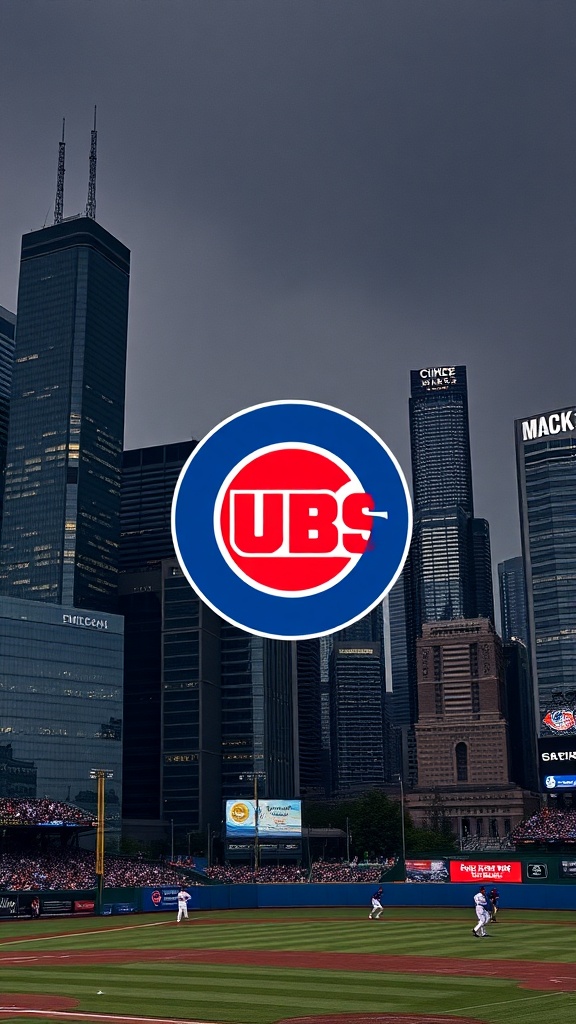
Recent enhancements have focused on fan comfort and accessibility while preserving the ballpark’s historic character: expanded concession options, improved concourses, upgraded club spaces, and technology improvements like faster connectivity and better in-seat services. Wrigleyville’s nightlife and the rooftop tradition remain integral to the gameday vibe, with local businesses benefiting from heavy foot traffic on game days.
Balancing analytics and scouting
The Cubs illustrate how legacy clubs can integrate analytics without losing sight of scouting intuition.
Decision-making increasingly blends data-driven metrics—like spin rate, launch angle, and run value—with qualitative scouting reports on makeup and competitiveness. That balance helps the team identify undervalued players and craft individualized development plans, especially for pitchers returning from injury or refinement in pitch mix.
Fan experience and community ties
Cubs fandom is as much about community as it is about baseball. The team’s community programs, youth clinics, and local partnerships keep the franchise closely connected to Chicago neighborhoods. For visitors, game-day planning is straightforward: arrive early to soak in the atmosphere around the ballpark, explore the rooftop views, and consider public transit options to avoid parking hassles. Merchandise options are plentiful—from classic caps to limited-edition gear celebrating key moments and personalities.
What to watch on the roster
Expect emphasis on core strengths: defense up the middle, bullpen depth, and a lineup that mixes power with on-base discipline. The front office will likely prioritize flexibility—players who can handle multiple roles and matchups. Trades and free-agent moves will be judged not just on star power but on roster fit and contract structure, with an eye on sustaining competitiveness while managing payroll responsibly.
Rivalries and narrative
Rivalries remain a key part of the Cubs story, fueling ticket demand and national interest.
Key divisional matchups still draw intense attention, but the team’s broader narrative focuses on building a sustainable contender—one that can navigate injuries, depth challenges, and the long grind of a baseball year through smart development and clear strategic planning.
Whether you’re a long-time fan or a first-time visitor to Wrigley Field, the Cubs offer a compelling mix of history and modern baseball thinking.
Keep an eye on prospect reports, pitching health updates, and front-office moves to gauge how that blend shapes the team’s trajectory going forward.