University of Chicago: Rigorous Academics, Big-City Impact
The University of Chicago blends intense intellectual life with urban engagement, creating a campus culture that attracts students and scholars who thrive on rigorous inquiry. Known for its distinctive Core curriculum, the university emphasizes breadth of knowledge and critical thinking. The Core asks every undergraduate to engage with foundational texts and methods across the humanities, social sciences, and natural sciences, building a shared intellectual vocabulary that shapes classroom discussion and research collaboration.
A research powerhouse, the university is home to scholars working at the frontiers of economics, physics, medicine, public policy, and the humanities. Faculty and affiliated researchers have made landmark contributions across disciplines, and the campus hosts many interdisciplinary centers that translate scholarship into real-world solutions. These centers focus on urban innovation, energy and climate policy, data science, and global health, enabling partnerships with city agencies, nonprofits, and industry that enhance both local communities and global knowledge.
Hyde Park anchors campus life.
The neighborhood offers a mix of cultural institutions, parks, and vibrant local businesses, with museums and performance spaces that are open to the public. Students and faculty often collaborate with community organizations on education, public health, and arts initiatives, reflecting the university’s long-standing commitment to civic engagement.
The combination of a residential campus and metropolitan resources provides a unique laboratory for applied research and community-driven projects.
Entrepreneurship and innovation have a visible footprint on campus.
Technology transfer offices and innovation hubs support faculty and student ventures, helping translate research into startups, patents, and scalable solutions. Incubators and mentorship programs connect founders with funding sources and industry partners, fostering a growing entrepreneurial ecosystem that benefits both the university and the city.
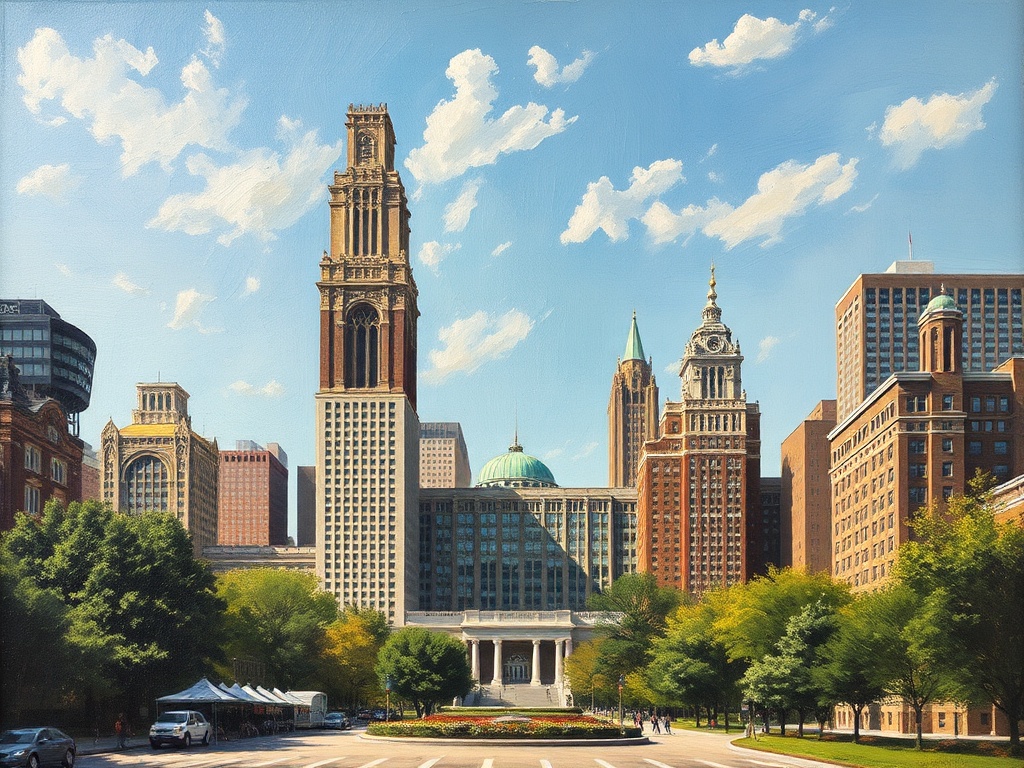
Campus architecture is striking: gothic spires and cloistered quads stand alongside contemporary research buildings and arts centers. The physical layout encourages both solitary study and lively debate. Residential life is structured to promote academic and social cohesion, with a system of houses and common spaces where students form tight-knit intellectual communities. Student organizations span political debate clubs, arts ensembles, service groups, and cutting-edge research teams, reflecting the diverse interests of the campus population.
Arts and cultural programming are strong, with performance venues, galleries, and film series that attract local audiences. Museums associated with the university hold extensive collections that support research and public exhibitions. The arts centers also serve as interdisciplinary forums where visual art, music, theatre, and digital media intersect with scholarly work.
Preparing students for a changing world, the university emphasizes mentorship, research experience, and critical analysis.
Career services and alumni networks support job placement and graduate study, while professional schools in business, law, and public policy provide additional pathways for leadership and impact.
For prospective students and collaborators, the university offers a combination of rigorous academics, rich research opportunities, and deep community ties. Whether drawn to theoretical work, applied research, entrepreneurship, or public service, people who engage with the university find a place that prizes curiosity, debate, and evidence-based solutions. The institution continues to be a hub where big ideas meet practical challenges, shaping scholarship and civic life in meaningful ways.