University of Chicago: Rigorous scholarship, urban impact, and innovation
The University of Chicago stands out for an intellectual culture that prizes deep inquiry and interdisciplinary research.
Its Core curriculum challenges students to read, write, and think across disciplines, forming the backbone of an education that emphasizes analytical rigor and clear argumentation. That emphasis on intellectual intensity shapes a campus where classroom debates extend into student organizations, research labs, and community partnerships.
Academic strengths and research ecosystem
UChicago is widely known for strong programs across economics, law, business, public policy, and the sciences. The Booth School of Business and the Harris School of Public Policy are prominent hubs for management and policy training, while the law school draws students focused on legal theory and public service.
In the sciences and medicine, UChicago Medicine and affiliated research centers drive advances in translational research, precision medicine, and biomedical innovation.
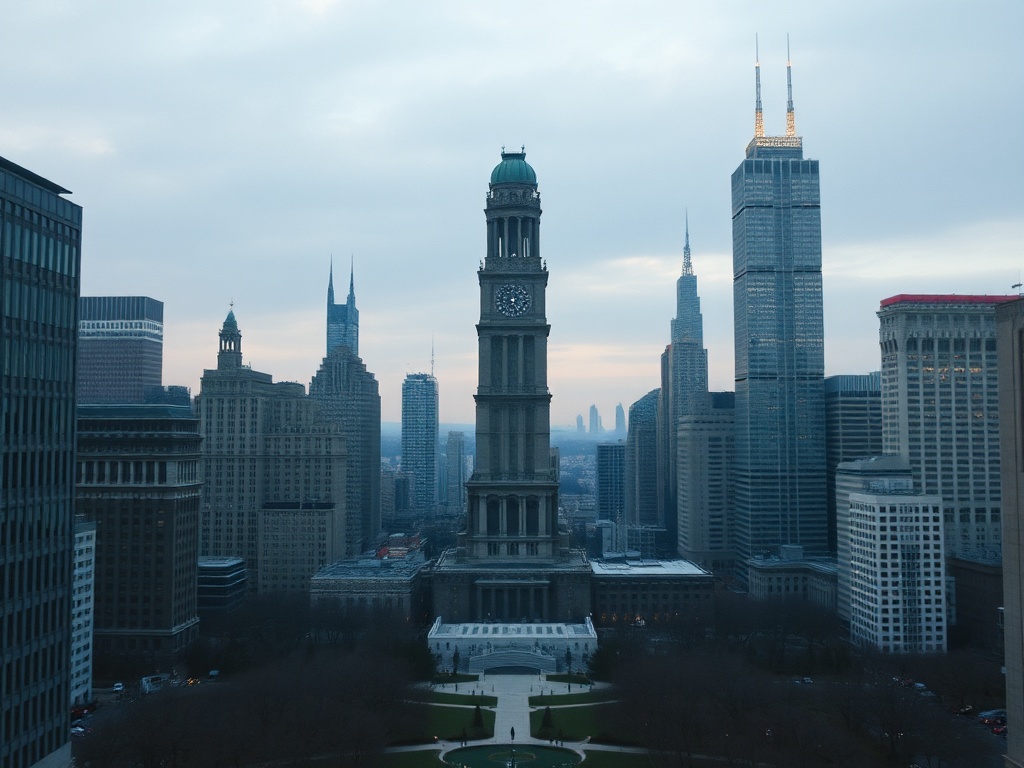
The university’s research ecosystem benefits from deep partnerships with national laboratories and research institutions.
Collaborations with nearby labs expand opportunities in particle physics, energy research, and computational science.
On-campus institutes and centers foster cross-disciplinary projects that bring together social scientists, humanists, and STEM researchers to tackle complex problems—from urban inequality to climate resilience.
Innovation, entrepreneurship, and community impact
Startup incubation and technology commercialization are active at the Polsky Center and similar entrepreneurial initiatives. These programs help students and faculty move discoveries from lab to market, offering mentorship, funding resources, and connections to Chicago’s broader innovation ecosystem. The result is a steady flow of spinouts and community ventures that contribute to local economic development.
Civic engagement and Hyde Park ties
Situated in the Hyde Park neighborhood, the university maintains a strong engagement agenda with local schools, nonprofits, and civic leaders. Community-focused research and partnership models aim to address public health, housing, and education challenges through collaborative, evidence-based interventions. That civic orientation creates two-way learning: community partners shape research priorities, and students gain hands-on experience in urban problem solving.
Campus life and culture
The campus architecture—noted for its collegiate gothic buildings and leafy quads—provides a distinctive backdrop for student life. Residential houses, student publications, and a wide range of clubs support intellectual, cultural, and social pursuits.
The university also emphasizes free expression and robust debate as core values, reflected in policies and campus programming that encourage open inquiry.
Libraries, arts, and public programming
Extensive library collections and digital resources support scholarship across disciplines, while museum and performing arts programs bring exhibitions, concerts, and lectures to both campus and the wider Chicago community. Public programs, often featuring visiting scholars and practitioners, add to the city’s cultural and intellectual life.
Why prospective students and collaborators take notice
Prospective students and research partners are attracted by the university’s commitment to rigorous education, its record of research impact, and its active role in the civic and economic life of Chicago. Whether one is interested in theoretical inquiry, applied research, entrepreneurship, or public service, the university offers resources and networks that help turn ambitious ideas into measurable outcomes.
Ultimately, University of Chicago remains a place where intense curiosity, interdisciplinary collaboration, and community engagement converge—shaping scholars and solutions that resonate far beyond campus boundaries.