The Chicago Bears have long been defined by a stout, disruptive defense and a practicality-first approach to building rosters. For fans watching offseason moves or counting down to training camp, the core question remains: how does a franchise with a proud defensive tradition modernize to contend in today’s pass-heavy NFL?
Prioritize edge pressure without sacrificing coverage
– A reliable edge rush remains the highest-impact defensive asset. Consistent pressure reduces reliance on coverage and creates turnover opportunities.
– Building a rotation of explosive, technically sound edge defenders—mixing veteran free agents, high-upside draft picks, and homegrown performers—creates matchup problems for opposing offenses.
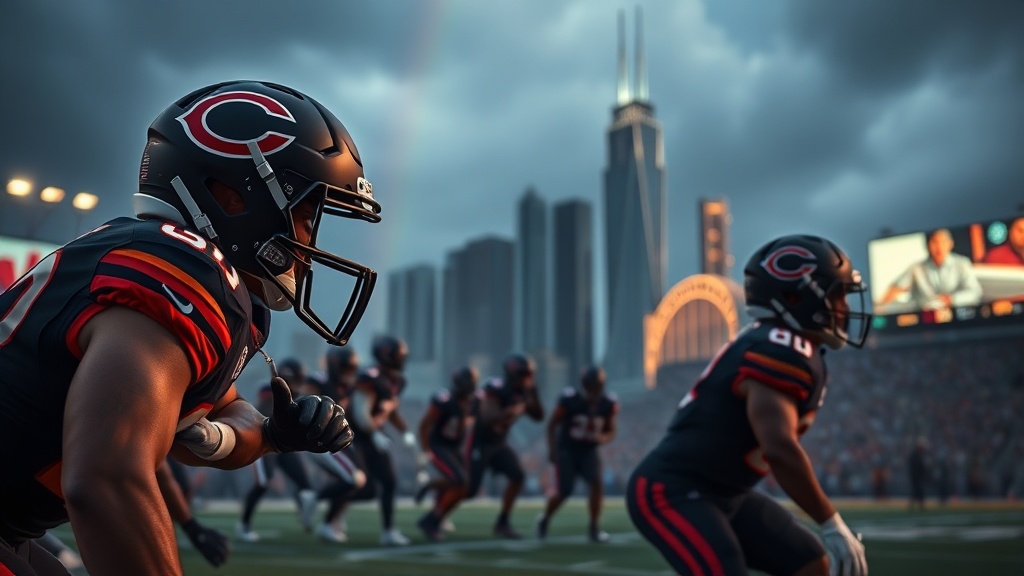
– Complementing the edge with quick interior penetration disrupts pocket integrity and opens lanes for linebackers to make plays.
Invest in defensive versatility
– Modern NFL offenses demand defensive flexibility. Players who can shift between 3-4 and 4-3 fronts, play multiple linebacker roles, or slide into nickel packages are invaluable.
– Developing hybrid defenders who can rush the passer, set the edge in run defense, and cover athletic tight ends increases schematic options and hides weaknesses.
Reload the secondary with adaptability
– A capable secondary starts with depth at nickel and slot corner. Many offenses operate out of three-wide sets; having a dedicated, playmaking slot defender is now non-negotiable.
– Emphasize ball skills and tackling in the back end. Turnovers swing games; prioritizing interceptors and aggressive tackling helps short-circuit big-play offenses.
Win the trenches through coaching and analytics
– Offensive and defensive line play is often won in development.
Strong coaching and targeted conditioning programs at Halas Hall can turn mid-round draft picks into starters.
– Use analytics to identify under-the-radar free agents and scheme fits.
Advanced metrics—pressure rate, completion percentage allowed under pressure, yards after contact—should guide acquisition and coaching priorities.
Create situational dominance
– Special teams, third-down defense, and red zone schemes decide close contests. A defense that regularly gets stops on third down and limits opponents in the red zone keeps games within reach for the offense.
– Practice situational football to build instincts; reps in high-leverage scenarios pay dividends when the regular season intensity ramps up.
Develop a culture of accountability and growth
– Continuity in coaching staff and clear communication at Halas Hall fosters player buy-in.
Younger defenders progress faster when they understand role expectations and performance metrics tied to playing time.
– Emphasize leadership from veterans and a competitive environment that rewards improvement.
What fans should watch
– Preseason and training camp snapshots of edge rotations and nickel packages often reveal the direction a defense is heading.
– Early-season metrics like pressure rate and third-down stop percentage are predictive of long-term success.
– Player development stories—rookies earning snaps, mid-career signings adapting to new schemes—are useful indicators of front-office and coaching effectiveness.
The Bears’ identity is rooted in defensive toughness, but adapting that identity to the modern game requires smart personnel decisions, versatile scheming, and relentless focus on situational football. When those elements align, the team can turn defensive tradition into competitive advantage and give fans plenty to get excited about at Soldier Field.