The Chicago Bears remain one of the NFL’s most recognizable franchises, blending rich history with the pressure of modern roster building. Fans expect grit and defense-first football, but the team’s success hinges on balancing that identity with sustained offensive production and smart personnel moves. Here’s a practical look at what matters for the Bears and what fans should watch.
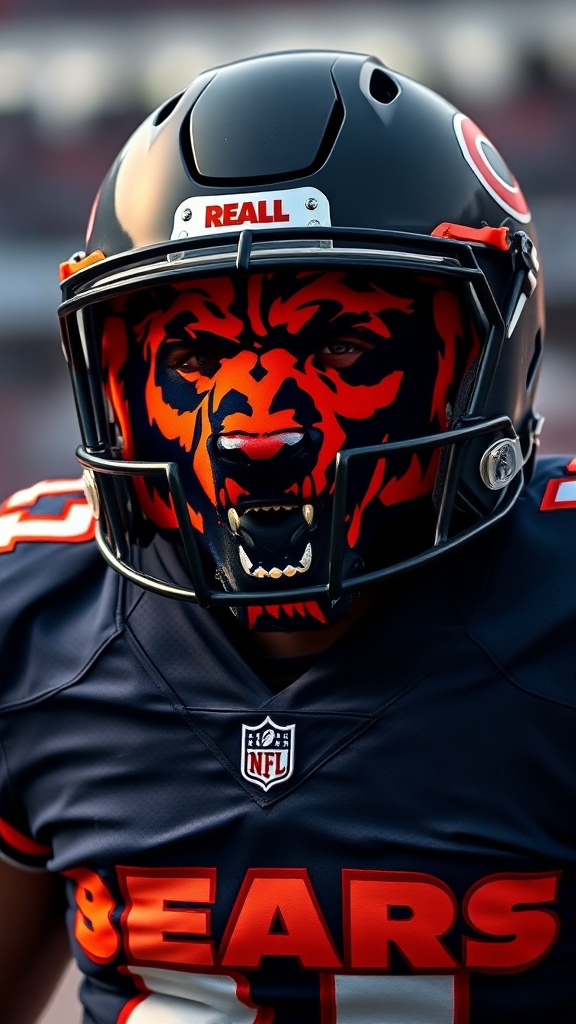
Team identity and philosophy
Chicago’s identity has long been built around physical defense, strong trenches, and a blue-collar mentality. That tradition still shapes roster construction: investment in the defensive line and linebackers, emphasis on tackling and coverage versatility, and a focus on building an offensive line that can control the line of scrimmage.
Recent strategic moves show the front office balancing veteran additions with a pipeline of young talent, aiming for long-term competitiveness rather than short-term splash.
Quarterback and offensive development
The quarterback position is the single biggest variable for the franchise. Whether through internal development, competition in camp, or moves in free agency and the draft, clarity at quarterback drives play-calling, receiver usage, and offensive identity. Key offensive priorities are improving pass protection, establishing a reliable running game, and developing playmakers in the passing game who can create after the catch. Offensive coaching continuity and schematic fit are crucial for a young passer’s growth.
Defense: foundation of success
A dominant front seven and opportunistic secondary are cornerstones for consistent wins.
The defensive plan focuses on generating pressure without heavy blitzing, allowing coverage units to make plays. Versatile defenders who can play multiple fronts and cover different receiver types add scheme flexibility. Special teams and turnover generation also tilt close games — a reminder that depth and situational coaching matter every week.
Player development and scouting
Sustainable success typically comes from a steady stream of homegrown talent paired with selective veteran signings. The scouting department’s evaluations at both the college and pro levels determine long-term depth. Watch for how rookie integration proceeds, how second-year players take on expanded roles, and whether midseason adjustments lead to roster upgrades via trades or signings.
Coaching and scheme adaptability
Coaching staff continuity often correlates with improved execution.
Teams that adapt schemes to player strengths rather than forcing a rigid system tend to extract more from their rosters. Pay attention to in-game adjustments, fourth-down decision-making, and clock management — small coaching decisions frequently decide close contests.
Key things to watch
– Quarterback competition and offensive line stability
– Health and depth of the defensive front and secondary
– Rookie development and how coaches deploy young talent
– Week-to-week special teams performance and turnover margin
– Front office moves around the trade deadline and free agency windows
Fan experience and community
Home games at the stadium remain an experience: tailgating culture, city energy, and classic rivalries keep attendance high and media attention focused. Community outreach and local partnerships continue to matter for the franchise’s brand — strong civic ties build long-term fan loyalty.
How to stay engaged
Follow local beat reporters, official team channels, and analytics-focused coverage for depth on roster moves and scheme tendencies.
Training camp reports and preseason performances provide early clues about role players and positional battles. Podcasts and local radio remain valuable for insider perspectives and game-day analysis.
The Bears’ path forward depends on executing a multi-year plan: clarifying the quarterback position, maintaining defensive toughness, and developing young talent while making smart veteran investments. For fans, patience blended with high standards is the realistic game plan.
Keep an eye on roster trends, coaching adjustments, and how emerging players handle bigger roles — that’s where a turnaround usually begins.