Wrigley Field and the Cubs: How the Franchise Is Balancing Tradition with Modern Baseball
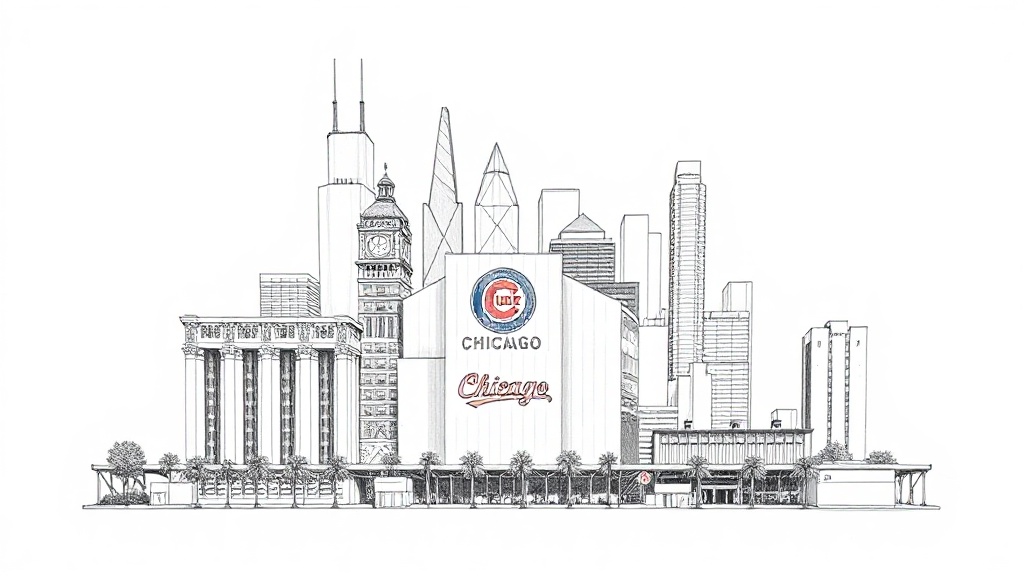
The Chicago Cubs remain one of baseball’s most compelling stories because they blend deep tradition with an active push toward modern roster-building and fan engagement. Wrigley Field still delivers the unmistakable neighborhood ballpark experience — ivy-covered walls, rooftop views, and a walkable Wrigleyville nightlife — while front-office decisions reflect the analytics, player development, and roster flexibility teams now prioritize.
What fans should watch on the field
Watch for a deliberate mix of veteran leadership and high-upside youth. The organization has focused on developing a pipeline of pitchers and position players who can contribute at the big-league level in sustainable ways. That means measurable improvements in strike-throwing, spin- and extension-based metrics for pitchers, and launch-angle optimization and plate discipline gains for hitters. Expect the club to lean on a versatile bench and bullpen, using multi-inning relievers and matchup-driven deployments more often than a strictly defined closer setup.
Player development emphasizes adaptability. Prospects are groomed to handle multiple positions and to refine secondary pitches for pitchers or improve pitch recognition and chase rates for hitters. This approach helps bridge gaps when injuries occur and gives managers tactical flexibility late in games.
Wrigley Field experience: more than a ballgame
A game at Wrigley remains about atmosphere as much as the scoreboard.
Rooflines and bleachers still offer classic views, while modern amenities and expanded hospitality options cater to a wider audience. Expect lively pregame crowds, local food vendors, and live music that keep the neighborhood humming long after the final out. For visitors, weekday afternoon games can be easier to navigate ticket- and transit-wise; for die-hard fans, weekend series against division rivals are where traditions — chants, rituals, and that unmistakable energy — are most visible.
Off the field: analytics, finances, and community
Front offices across baseball have embraced advanced metrics, and the Cubs are no exception. Scouting and analytics work hand in hand to identify undervalued skills — elite spin rates, elite defensive positioning, or on-base skills that translate to run creation even without high batting averages. At the same time, payroll flexibility matters: balancing long-term contracts with cost-controlled young talent allows more room for midseason reinforcements when needed.
Community engagement remains a cornerstone. Charity initiatives, youth clinics, and neighborhood partnerships keep the franchise connected to local neighborhoods. That public-facing work reinforces fan loyalty and helps cultivate the next generation of Cubs supporters.
How to follow the team smartly
– Track transactions and prospect call-ups for early signals of lineup changes. Roster moves often reveal priorities — whether the team is pushing for a playoff run or focusing on longer-term player seasoning.
– Pay attention to bullpen usage and starter workloads. These patterns say as much about in-game strategy as they do about injury prevention and depth management.
– Use Statcast and other accessible metrics to evaluate performance beyond batting average and ERA: look at hard-hit rate, exit velocity, spin rate, and chase rates to spot breakout or regression.
For Cubs fans, the appeal is both visceral and intellectual: you get the sensory experience of a historic ballpark and the strategic intrigue of a franchise navigating modern baseball’s complexities. Whether following the games from the bleachers or analyzing roster moves from afar, there’s always something new to appreciate about how tradition and innovation intersect at Wrigley.