How to Experience Chicago Like a Local: Neighborhoods, Food, and Lakefront Life
Chicago is a city of neighborhoods, bold architecture, and a lakeshore that shapes daily life. Skip only-they-do tourist traps and prioritize local rhythms: walkable streets, neighborhood eats, and public spaces that residents return to again and again. This guide highlights practical ways to enjoy Chicago beyond the postcards.
Neighborhoods worth your time
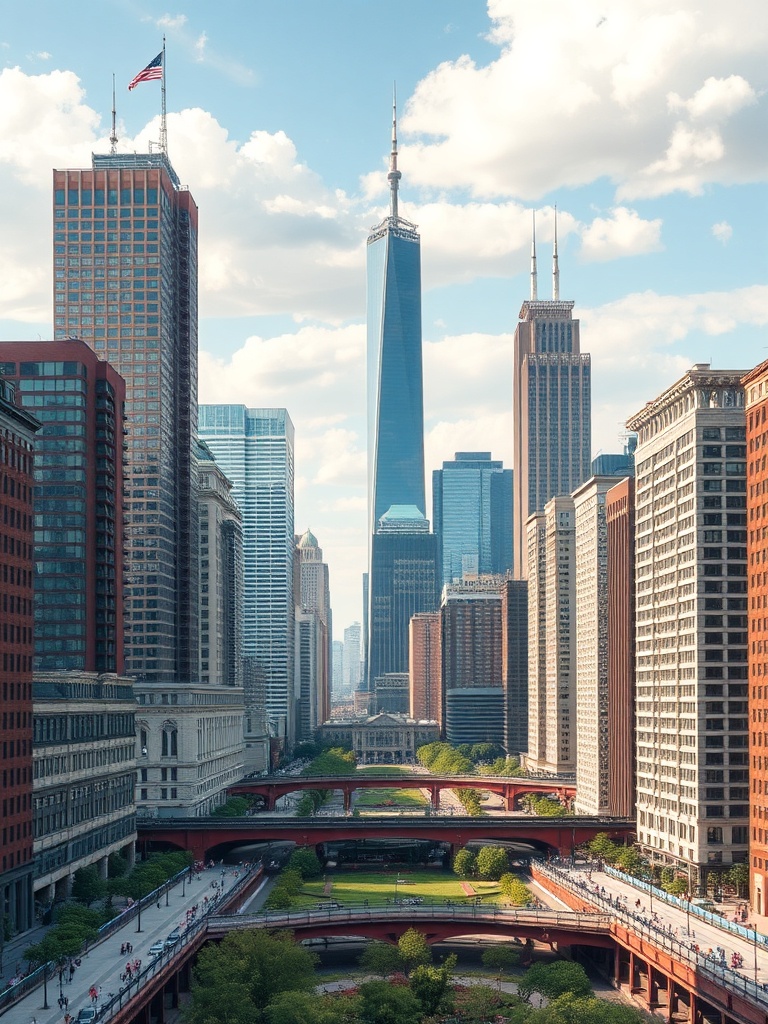
– The Loop and River North: Start here for iconic skyline views and easy access to river tours and major museums. Riverwalk dining and the architecture along the river create one of the city’s most photographed corridors.
– Lincoln Park and Lakeview: Green space, a lively dining scene, and accessible lakefront trails make these neighborhoods ideal for families and first-time visitors.
– Wicker Park and Bucktown: Trendy shops, music venues, and independent coffeehouses define the area’s creative energy. Good for nightlife and boutique browsing.
– Pilsen and Little Village: Vibrant murals, authentic Mexican and Latin American cuisine, and community art spaces offer a cultural immersion beyond mainstream galleries.
– Hyde Park: University-driven culture, bookstores, and quiet lakeside spots lend a scholarly, reflective vibe.
Food that tells a story
Chicago’s food scene balances iconic classics with an evolving culinary landscape. Try a Chicago-style hot dog or an Italian beef sandwich for quick, satisfying street fare.
Deep-dish pizza remains a must-try for first-timers, while local pizzerias also serve thin-crust and tavern-style pies that locals love. Explore neighborhood restaurants for seasonal menus, chef-driven tasting menus, and small-batch bakeries.
Farmers markets, especially the neighborhood weekend markets, are great for fresh produce and artisanal bites.
Getting around
Public transit is practical and cost-effective for most trips. CTA trains and buses reach major attractions and many neighborhoods; a reloadable transit card simplifies transfers. Bike lanes and lakeshore paths are well-used—Divvy-like bikeshare systems and e-scooters provide flexible short-trip options. Rideshares fill gaps late at night or for destinations not well connected by transit. Walk when you can: many neighborhoods are compact, and strolling reveals cafes, shops, and public art you’d miss otherwise.
Lakefront and outdoor life
Chicago’s lakefront is a defining feature. Miles of beaches, continuous trails, and parkland create a loop suited for running, cycling, and relaxed picnics. The lakefront parks and riverwalk host seasonal programming and pop-up events that attract locals.
Bring layers—winds off the lake can be brisk—and plan outdoor meals or rooftop stops when the weather is cooperative.
Architecture, culture, and free things to do
Architecture is a reason many visitors return. River cruise tours provide a fluent narrative of the city’s skyscrapers, while walking tours allow you to linger at individual buildings. Museum options range from major institutions with rotating exhibits to smaller cultural centers and independent galleries across neighborhoods.
Free public performances, outdoor film screenings, and neighborhood festivals often appear on community calendars; checking local event listings leads to authentic experiences.
Practical tips
– Carry a small umbrella or lightweight layer; Chicago weather can change quickly.
– Tap water is drinkable and often better than bottled options for a long day of exploring.
– Use neighborhood recommendations over ranking lists when choosing restaurants—locals know where seasons and crowds matter.
– Be mindful of bike lanes and traffic when walking near major thoroughfares.
Chicago rewards curiosity.
Whether you’re chasing architecture, savoring diverse plates, or pedaling along the lake, the city’s best moments happen where residents live, work, and gather.
