Northwestern University: Why its interdisciplinary culture keeps it at the forefront
Northwestern University blends a compact, scenic campus with deep ties to a major city, creating a learning environment that’s both intimate and expansive.
With academic strengths spanning journalism, business, engineering, medicine, and the arts, the university emphasizes collaboration across disciplines—an approach that prepares students to tackle complex, real-world problems.
A campus split between lakeside and urban settings
Evanston’s lakefront offers a traditional residential campus experience with arts venues, research labs, and green spaces, while a robust presence in a nearby metropolis provides access to internships, cultural institutions, and industry partnerships. That duality attracts students who want the close-knit feel of a campus community plus the professional and cultural advantages of a large city just minutes away.
Interdisciplinary academics that connect theory and practice
Northwestern’s colleges and schools encourage cross-school coursework and joint research. Journalism students at Medill collaborate with computer scientists on data-driven storytelling. Business students at Kellogg team up with engineers and designers to develop market-ready prototypes. McCormick engineers and Weinberg social scientists often co-lead projects that tackle everything from sustainable infrastructure to public health analytics.
This emphasis on interdisciplinary learning helps graduates move seamlessly between sectors and roles.
Entrepreneurship and innovation hubs
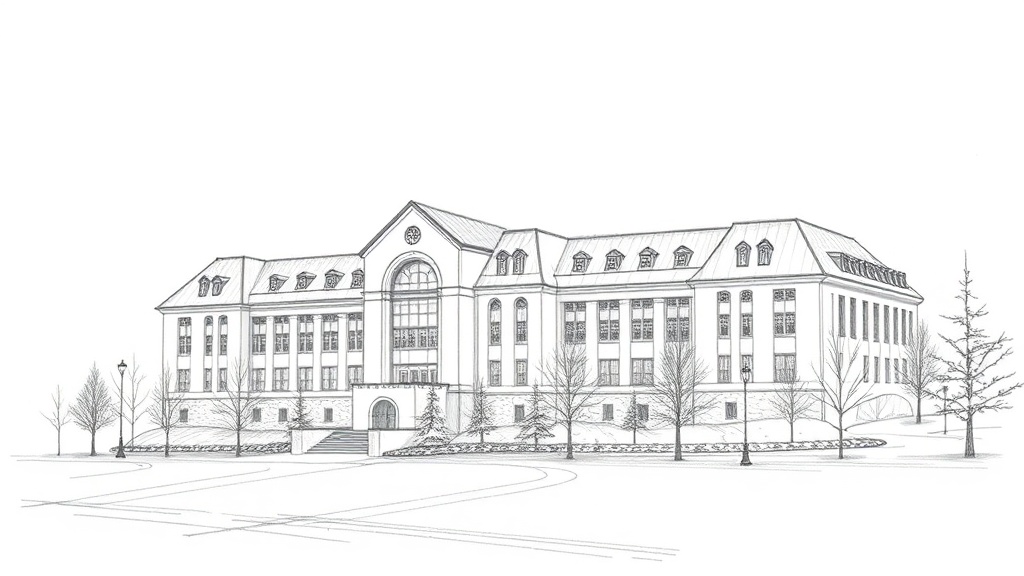
Entrepreneurship is institutionalized through student-focused innovation spaces where ideas move quickly from prototype to pilot.
Campus incubators and maker spaces give students access to mentorship, rapid prototyping tools, and seed funding.
The result is a steady stream of student startups and commercially viable research spun out of campus labs. These resources make the university a launching pad for founders and researchers aiming to scale impact beyond academia.
Arts, culture and student life
Arts and performance are central to campus identity. Facilities for theater, music, and visual arts host student productions, visiting artists, and interdisciplinary collaborations that blend technology with creative practice. Student organizations cover a wide range of interests—from cultural and political groups to competitive clubs and community service—fostering a vibrant social scene that complements rigorous academics. Athletic traditions and campus events further reinforce a strong sense of belonging.
Research that reaches communities
Research at the university often focuses on real-world applications, from translational medicine to urban policy. Faculty and students work with local partners, public institutions, and industry sponsors to accelerate innovation and improve community outcomes. Technology transfer offices and research commercialization initiatives help move discoveries into products, services, and policy solutions that have measurable impact.
Sustainability and civic engagement
Sustainability features prominently in campus planning and curriculum. Students can engage with sustainability initiatives through coursework, research projects, and operations-focused opportunities. Civic engagement ties academic work to local needs—students frequently partner with schools, nonprofits, and municipal programs to apply their skills in community-centered projects.
How to explore what Northwestern offers
Prospective students should look for programs that encourage cross-disciplinary work and provide hands-on experience. Visit virtual or in-person information sessions, explore department webpages for undergraduate and graduate opportunities, and connect with current students or alumni to understand daily life and career outcomes. For researchers and industry partners, exploring collaborative institutes and technology transfer resources can uncover paths for joint projects and commercialization.
Northwestern’s blend of a residential campus, urban connections, interdisciplinary academics, and hands-on innovation creates an environment where students and researchers tackle complex challenges and turn ideas into impact.
For anyone evaluating modern research universities, the combination of collaborative culture and real-world engagement is a compelling reason to take a closer look.