Chicago’s lakefront is evolving into a model of urban resilience and daily recreation, blending shoreline protection with expanded public access and a richer mix of green spaces. For locals and visitors alike, the waterfront has become a place where civic design, outdoor life, and city culture meet.
What’s changing along the shoreline
City planners and community groups have focused on making the lakefront more resilient to extreme weather while keeping it welcoming.
Naturalized shorelines, dune and marsh restoration, and engineered breakwaters are helping to reduce erosion and absorb storm surge. Where hard infrastructure is needed, it’s being paired with planted buffers and pedestrian-friendly promenades, so flood mitigation doesn’t mean closing off the water.
Public spaces and active transportation
Trails and continuous walkways now knit neighborhoods to the water. Multiuse paths make the lakefront ideal for walking, running, and cycling, and efforts to improve connections from inland neighborhoods to the shoreline are underway.
Riverwalk extensions and repurposed industrial sites have opened new promenades, pocket parks, and community gardens that draw people down to the water at all hours.
Ecology and recreation
Restoration projects along the lake and river have boosted habitat for migratory birds, native fish, and pollinators.
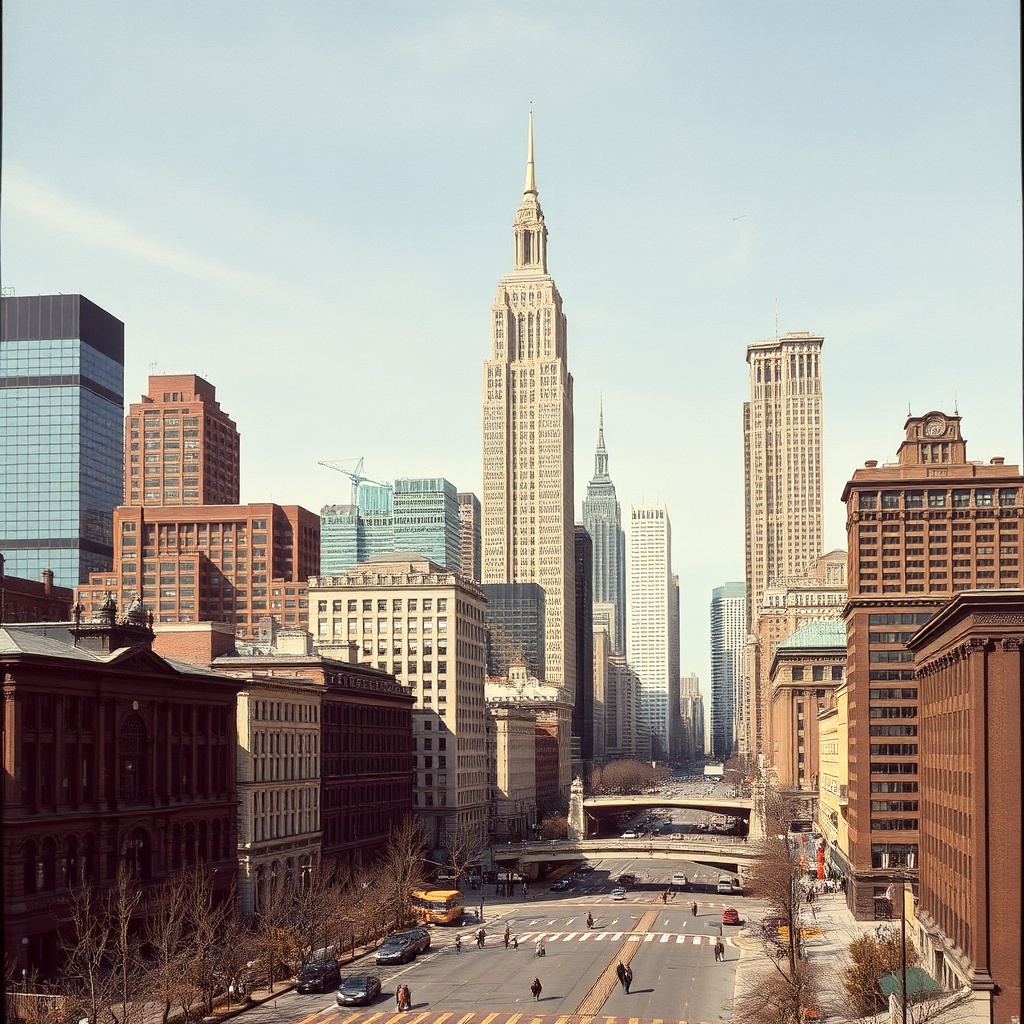
Beach nourishment and dune plantings help stabilize sand while creating quieter, more natural stretches of shoreline for birdwatching and low-impact recreation. Boating and paddle sports remain popular—sheltered harbors and kayak launches make it easy to explore the river and nearshore lake waters—but the emphasis is on managed, sustainable use that protects water quality.
Culture, dining, and public art
Waterfront cultural attractions and food venues complement green space. Public art installations and performance stages have become focal points on promenades, offering seasonal programming that activates the shoreline.
Food vendors and waterfront dining continue to spotlight local culinary talent, from quick bites after a run to sit-down meals with lake views.
Access and equity
Expanding access is a key priority. Efforts to make beaches, trails, and parks ADA-friendly, coupled with more transit connections and bike-share hubs, aim to ensure everyone can reach the lake.
Community-driven planning helps determine where new amenities are built, so improvements reflect local needs rather than simply catering to tourists.
What visitors and residents should know
– Wear layers: Lake breezes can change quickly, so bring a windbreaker even on warm days.
– Use multiuse paths responsibly: Keep to the right, announce passes, and watch for pedestrians.
– Check water-safety updates: Closures, advisories, or high-water alerts are posted by local park and public health departments.
– Make the most of transit and bike-share options to avoid parking headaches near popular spots.
– Explore beyond the headline attractions: Smaller beaches, riverfront parks, and neighborhood marinas often offer calmer crowds and local flavor.
Chicago’s waterfront is a living example of how a great lakefront can serve diverse urban needs—recreation, ecology, culture, and climate adaptation—without sacrificing one for another. Whether it’s a morning run along a restored shoreline, an evening paddle on the river, or simply watching the skyline change with the light, the lakefront continues to be a signature place for connecting with the city and the outdoors.