Chicago’s green spaces are reshaping urban life — blending recreation, culture, and climate resilience into a connected waterfront and neighborhood park network that residents and visitors rely on year-round.
A continuous lakefront
Chicago’s lakefront is a defining feature: a long, largely public stretch of parks, beaches, and trails that invites walking, running, cycling, and water activities.
The Lakefront Trail is a favorite for uninterrupted views of the skyline and lake, while beaches and calmer bays offer swimming, kayaking, and sailing. Popular park anchors provide distinct experiences: a sculptural and performance hub with iconic fountains and outdoor concerts; family-focused playgrounds and climbing greens; and expansive natural areas that preserve shoreline ecology. The lakefront’s accessibility — with bike-share stations, transit links, and multi-use paths — makes it an everyday escape from urban density.
Neighborhood parks and community hubs
Beyond the waterfront, neighborhood parks power local life. From large parklands with nature centers and sports fields to pocket parks and community gardens, these green areas host fitness classes, farmers’ markets, art installations, and cultural festivals.
Many parks feature native plantings and pollinator gardens, creating habitat patches that support biodiversity across the city.
Dog-friendly zones, accessible playgrounds, and shaded picnic areas make parks inclusive and practical for families, seniors, and young professionals alike.
Climate-forward design
As weather patterns shift, Chicago’s parks are increasingly tools for climate resilience. Stormwater management features such as rain gardens, bioswales, and permeable surfaces reduce runoff and flooding while nourishing urban trees and plantings. Expanding the urban tree canopy cools streets and parks, mitigating the urban heat island effect and improving air quality.
Wetland restorations along the river and lakefront help filter water and provide wildlife habitat. These green infrastructure investments create dual benefits: enhancing public space while protecting neighborhoods from climate-related risks.
The Chicago River as public space
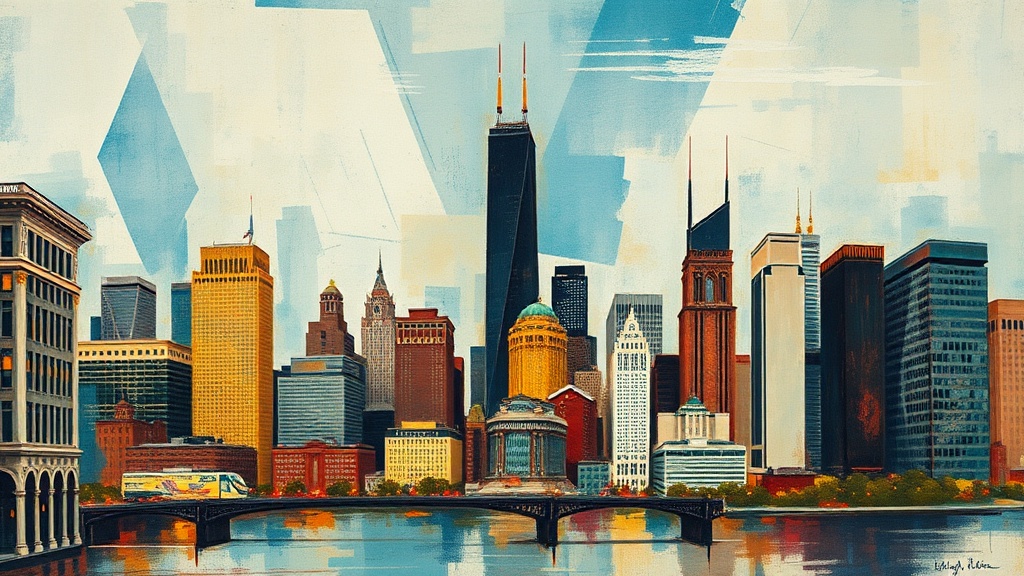
Revitalization efforts along the river have transformed formerly industrial banks into active public space. The Riverwalk connects dining, seating, and cultural programming with opportunities for boating and environmental education. Native shoreline plantings and stepped terraces improve habitat and create more resilient banks.
Evening strolls along the river offer a different skyline perspective, and seasonal events make the corridor lively and inviting.
How to enjoy and get involved
– Walk or bike the Lakefront Trail early for cooler temperatures and quieter paths; rent a bike from a local bike-share system for flexible access.
– Check park calendars for free outdoor concerts, fitness classes, and temporary art installations.
– Volunteer with local community gardens or tree-planting initiatives to help expand canopy and pollinator habitat.
– Take advantage of ranger-led programs and nature center events to learn about native species and sustainable landscaping.
– Explore lesser-known parks in neighborhoods away from downtown for quieter green space and local culture.
Why it matters
Green spaces are more than recreation; they’re infrastructure that supports health, equity, and ecological stability. Well-designed parks increase property values and attract businesses, but crucially they provide equitable outdoor access, especially when connected by transit and safe bike routes. As the city grows, thoughtful stewardship of parks and shorelines will continue to shape urban resilience and quality of life.
Whether visiting for a concert, a run, or community volunteering, Chicago’s parks and waterfront offer a layered experience — combining scenic beauty, civic life, and practical climate solutions that serve residents and visitors alike.