Chicago Bears: Tradition Meets Modern Football Strategy
The Chicago Bears remain one of the NFL’s most recognizable brands, blending a storied past with a push toward modern football principles. For fans and observers, the team’s identity is shaped by a rugged defensive legacy, a passionate fanbase, and a persistent drive to translate long-term rebuilding plans into consistent on-field success.
Defensive DNA and a New-Age Approach
The Bears’ identity has long been rooted in defense — fierce pass rushes, aggressive linebackers, and a willingness to control games through physicality. That DNA still matters, but front offices around the league have shown that defensive tradition must coexist with modern tactics.
Today’s Bears embrace hybrid fronts, sub-package versatility, and situational analytics to get the most from personnel mismatches. Emphasizing speed, zone-blitz concepts, and nickel-heavy packages helps the defense remain relevant against pass-heavy offenses while honoring the team’s historical strengths.
Quarterback Play and Offensive Evolution
Quarterback development is a priority for organizations trying to bridge the gap between potential and consistent production. The Bears have invested in quarterback coaching, offensive line protection schemes, and play designs that shorten reads and create easy completions to build rhythm. Incorporating play-action, RPOs (run-pass options), and designed quarterback mobility gives modern offenses more ways to move the chains.
Balanced rushing attacks and creative use of tight ends and running backs in the passing game help keep defenses honest.
Drafting, Scouting, and the Value of Fit
Smart drafting and roster construction drive sustainable success. The Bears’ approach places a premium on evaluating traits over purely production-based metrics: athletic upside, character, and scheme fit. Early-round selections aim to address foundational needs—offensive line stability, pass rushers, and versatile defensive backs—while mid-to-late picks and undrafted signings look for developmental traits.
Free agency complements the draft by adding veteran leadership and immediate positional depth without overspending on short-term fixes.
Fan Culture and Soldier Field Atmosphere
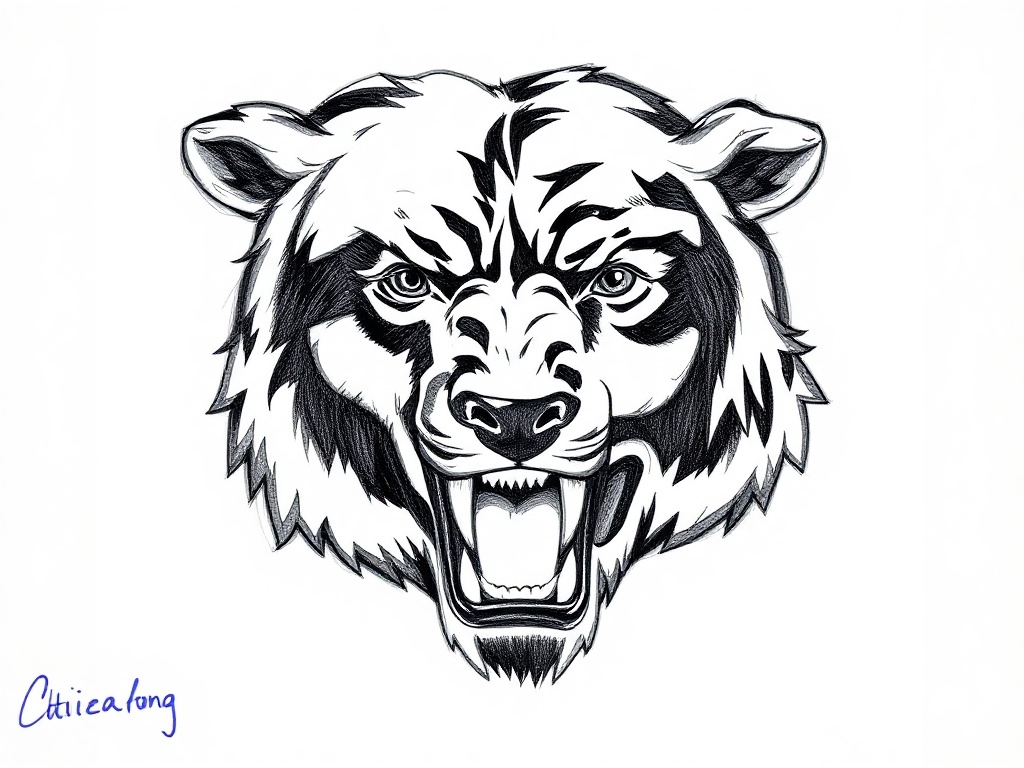
Soldier Field remains the spiritual home for Bears football, offering a unique game-day experience shaped by Chicago’s weather, skyline backdrop, and loyal supporters. Tailgating culture is intense, and the stadium’s environment can become a tangible advantage when crowds rally behind the home team. Community outreach and local partnerships deepen the team’s connection to the city, making the Bears more than a franchise—they’re a civic institution.
Analytics, Health, and Player Development
Teams maximize competitive edges through analytics and sports science. The Bears invest in performance analytics to manage snap counts, inform play-calling tendencies, and optimize in-game decision-making.
Advances in injury prevention, recovery protocols, and individualized training plans help keep key players available across long seasons. Developmental coaching—especially for young linemen and cornerbacks—turns raw athleticism into NFL-ready consistency.
What Fans Should Watch
– Personnel balance: Watch roster investments at line-of-scrimmage positions and depth in the defensive backfield.
– Quarterback chemistry: Consistency in timing and decision-making can unlock the offense.
– Turnover margin: Defensive takeaways and limiting offensive turnovers often decide close games.
– Special teams: Hidden wins often come through field position and reliable kicking.
The Bears’ journey remains a blend of honoring tradition while adapting to what wins in modern football. For fans, the most exciting part is watching foundational moves translate into sustained competitiveness, game by game.