Chicago Cubs: What Fans Should Expect from the Team and Wrigley Field Experience
The Chicago Cubs remain one of baseball’s most iconic franchises, blending a deep history with modern approaches to roster building, analytics, and fan engagement. For anyone following the team, understanding how the Cubs operate on and off the field helps set realistic expectations for competitive performance and the game-day experience at Wrigley Field.
Team identity and roster construction
The Cubs balance a mix of veteran leadership, emerging young talent, and strategic acquisitions. The front office leans on analytics to inform decisions about pitching development, defensive shifts, and lineup construction while maintaining a commitment to scouting and player development. This hybrid approach aims to maximize player value and create sustainable success rather than short-term spikes.
Prospects and player development are central to the club’s long-term plan. The organization places emphasis on pitching depth, multi-positional defenders, and bat-to-ball skills. That focus helps the team weather injuries and maintain consistent performance across a long season. Fantasy baseball players often look to the Cubs for breakout candidates among younger roster members who benefit from consistent playing time and clear development pathways.
Wrigley Field and the fan experience
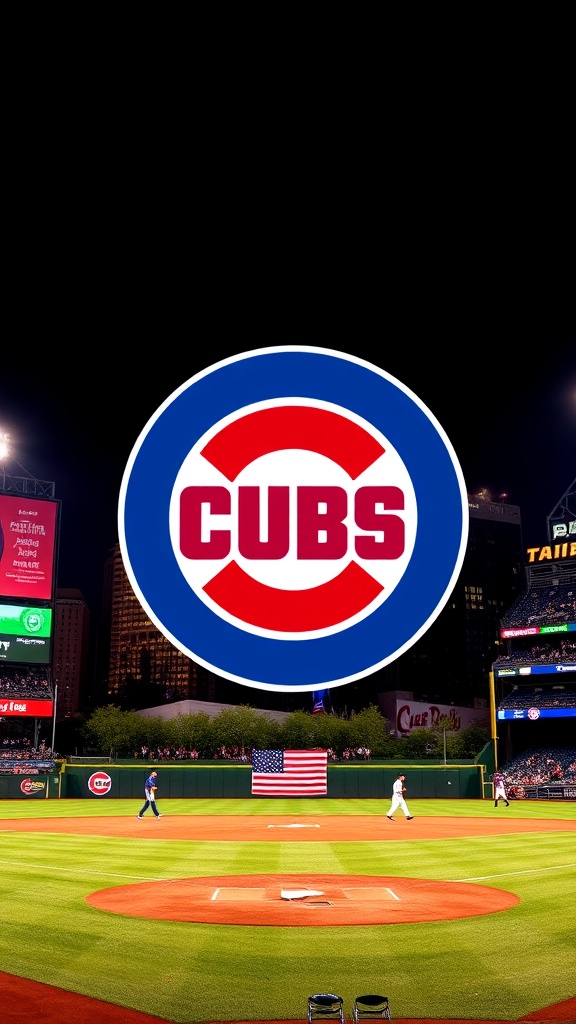
Wrigley Field is a major draw: historic ivy-covered walls, the hand-turned scoreboard, and the unique rooftop section across the street create an atmosphere unmatched in baseball.
Whether you’re a local or visiting for the first time, a few tips make the experience smoother: arrive early to soak in the pregame energy, explore the nearby Clark Street eateries, and consider rooftop tickets for panoramic views and a lively crowd.
Staying updated on stadium policies is wise—ticketing options, bag rules, and food and beverage offerings evolve with fan demand and public-safety standards. For those who want a quieter experience, weekday games and non-peak nights tend to be less crowded while still offering the Wrigley tradition.
What to watch on the field
Pitching depth often determines the team’s success.
Keep an eye on command, velocity trends, and the use of spin rate and pitch design; these analytics-driven metrics are significant for projecting future performance. Offensively, plate discipline and on-base skills are good indicators of a lineup that can consistently produce runs without relying solely on home runs.
Defense and versatility are also key. Players who can handle multiple positions give managers flexibility for matchups and late-game strategy. Bullpen health and usage patterns influence close-game outcomes, and savvy teams often leverage relievers in high-leverage roles regardless of traditional closer labels.
Community and culture
Cubs fandom is famously passionate and community-oriented.
The organization participates in local initiatives, youth baseball programs, and charitable efforts that reinforce the team’s connection to the city. That strong local presence translates into a loyal fanbase—Cubbie Nation—that supports through highs and lows.
How to follow and engage
For fans tracking roster moves, prospect promotions, or injury updates, following team beat reporters, official club communications, and trusted analytics outlets provides timely, reliable information. Social content, pregame shows, and local radio broadcasts also offer perspectives that enrich the fan experience.
Final thoughts
Rooted in history yet adapting to modern baseball’s demands, the Cubs combine tradition with innovation. Whether visiting Wrigley Field, scouting fantasy sleepers, or tracking prospects, fans can expect a dynamic blend of nostalgia and forward-thinking strategy that keeps the franchise compelling season after season.