The Chicago Bears remain one of the NFL’s most recognizable franchises, blending deep history with ongoing efforts to build a contender.
For fans and casual observers alike, watching how the organization balances tradition with modern football trends offers a compelling storyline each season.
Team identity and rebuilding
The Bears’ identity has long been built on a physically dominant defense and hard-nosed football.
Recently, the organization has been focused on mixing that defensive DNA with a more consistent offensive attack.
That means investing in clock-control running schemes, a quarterback who can extend plays, and an offensive line capable of protecting and creating lanes. The front office often balances veteran leadership with young, high-upside talent acquired through the draft and targeted free-agent signings.
Offense: adaptability and playmakers
Offensive success for Chicago typically depends on three variables: the quarterback, the offensive line, and versatile weapons in space. Modern offensive coordinators now emphasize quick-game passing, RPO concepts, play-action off the run, and creating mismatches in the intermediate field. Expect the Bears to prioritize scheme versatility—using motion, misdirection, and tempo changes—to help accelerate development and mask inexperience at key positions.
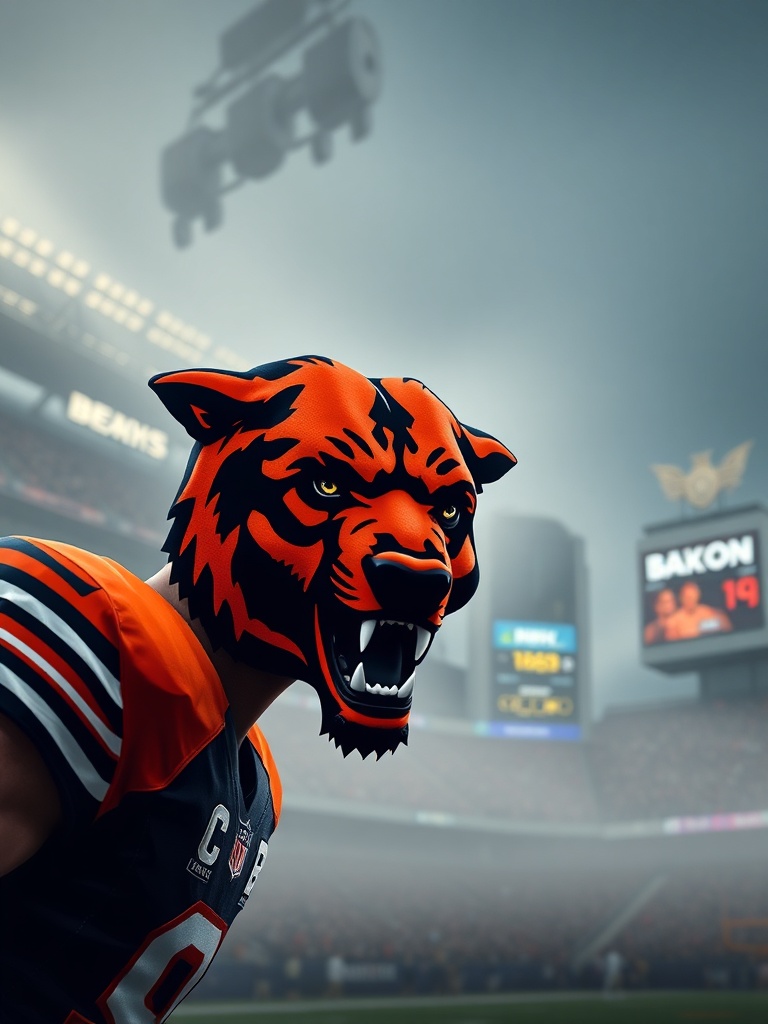
Defense: pressure and takeaways
The classic Bears formula of pressure, strong edge play, and turnover creation remains relevant. Effective defensive fronts set the tone by generating consistent pass rush and stuffing the run, allowing the secondary to be more aggressive. Analytics-driven coaching staffs often look for players who can win one-on-one matchups and produce splash plays—sacks, forced fumbles, and interceptions—that flip field position and control momentum.
Front office and roster strategy
Success often hinges on coherent roster building. That includes strong draft placement, shrewd free-agent acquisitions, and salary-cap discipline. The ideal strategy blends high-upside rookies who can grow into larger roles with veteran specialists who contribute immediately. Niches like situational pass rushers, slot cornerbacks, and third-down tight ends are often targeted to round out a roster efficiently.
What to watch this season
– Quarterback evolution: Stability and consistent decision-making at the position are key.
Development and scheming around the QB will determine offensive ceiling.
– Offensive line play: Run-blocking and pass protection set the foundation for play-action and timing passes.
– Pass rush production: Turnovers and pressure create scoring opportunities and mask other shortcomings.
– Young talent step-ups: Watch for rookies and second-year players breaking out in increased roles.
– Coaching adjustments: Personnel utilization and in-game strategy often separate teams with similar talent levels.
Fan experience and culture
Game-day at Soldier Field offers a unique urban football experience: a lakefront setting, deep fan traditions, and storied rivalries—most notably the longtime battles with the Packers. Tailgating, community events, and local media coverage keep the fanbase engaged year-round. For those attending, planning for weather, transit, and stadium policies enhances the experience. Fans watching from home can tap into robust local radio broadcasts, podcasts, and game-day social channels to stay connected.
Why it matters
The Bears’ path forward combines honoring a proud defensive legacy with the imperative to innovate offensively and build through smart roster management.
That blend of tradition and transformation makes following the team engaging for longtime supporters and newcomers alike—every game offers a glimpse at whether strategy, coaching, and player development are aligning toward sustained success.
For fans tracking progress, focus on play-calling trends, young player development, and how the organization approaches roster construction; those signals often reveal more about future trajectory than any single stat line.