Chicago packs big-city culture into a walkable, lakefront-friendly layout that keeps visitors and locals busy year-round.
Whether you’re after architecture, food, parks, or neighborhood charm, the city offers distinct experiences that reward exploration beyond the usual tourist stops.
Why Chicago stands out
– Architecture: Chicago’s skyline is an open-air gallery.
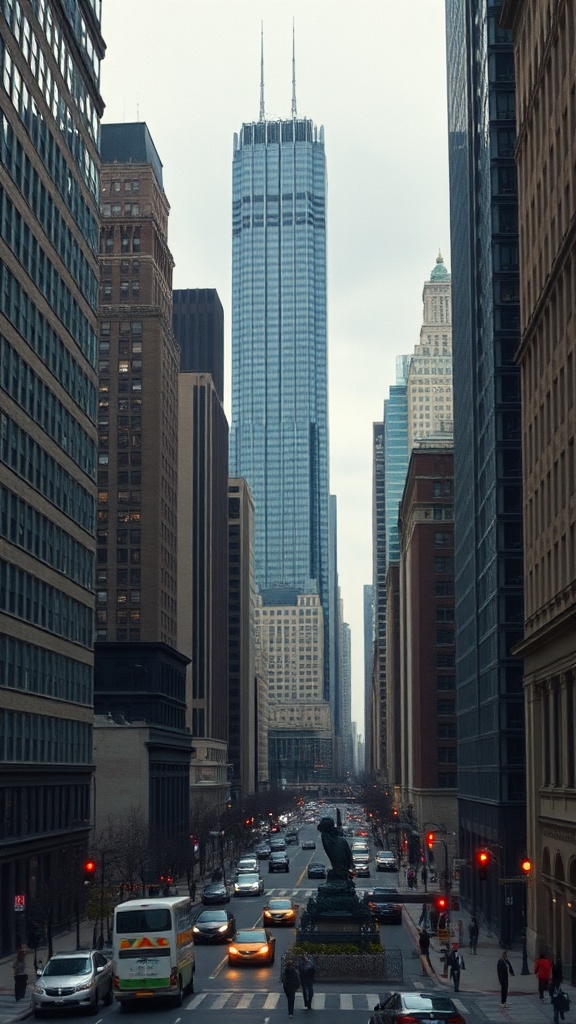
Architectural walking routes and river boat tours highlight innovations from early skyscrapers to striking modern towers.
The Riverwalk provides close-up views and a lively pedestrian scene.
– Lakefront access: A continuous lakefront trail connects beaches, parks, and cultural destinations.
It’s ideal for running, biking, or a relaxed stroll with skyline views and frequent lakeside green spaces.
– Cultural institutions: World-class museums and performance venues cluster near central parks and neighborhoods. Art, science, natural history, and immersive exhibitions provide options for every interest.
Top things to do
– See the Bean and Millennium Park: Public art, free concerts, and seasonal programming make this spot a must-see. Nearby plazas and gardens make it easy to extend a visit into a picnic or photo walk.
– Cruise the river: Architecture-focused river cruises explain the city’s design evolution while offering unique waterfront perspectives.
– Explore museum campus: Major museums and an aquarium are concentrated within easy reach of the lake, allowing a full day of curated learning and discovery.
– Wander neighborhoods: Lincoln Park blends green space with boutiques and cafes. West Loop and Fulton Market are culinary hotspots. Pilsen offers vibrant murals and Mexican-American culture. Wicker Park and Logan Square showcase indie shops, music venues, and coffee culture.
– Taste local specialties: Don’t leave without sampling a Chicago-style hot dog, a thin-crust “tavern” pizza slice, and a hearty Italian beef sandwich. For a different experience, explore the city’s fine-dining scene and innovative bistros.
Getting around
Public transit is practical for most sightseeing—elevated trains and buses reach central neighborhoods, while commuter rails connect outlying suburbs. For short trips, the lakefront trail and pedestrian-friendly streetsmake walking and biking enjoyable; dockless bikes and a city bike-share system expand options for quick hops. Keep in mind traffic and parking can be challenging in busy districts, so plan transit or ride-shares for peak times.
Tips for a smart visit
– Plan neighborhoods, not just attractions: Chicago rewards slow travel. Spend half a day in a neighborhood to find its best food and local shops.
– Layer for the weather: Lake breezes can change quickly. Dress in adaptable layers and carry a light windbreaker when exploring the lakefront.
– Book popular experiences ahead: River cruises, architecture tours, and dining at high-demand restaurants fill up, especially on weekend afternoons and evenings.
– Use cultural passes and city apps: Museums and attractions often offer bundled tickets or discounts through visitor programs that can save time and money.
Why locals stay
Beyond attractions, Chicago’s strength is a neighborhood-first culture: independent bookstores, longtime bakeries, community theaters, and local festivals keep the city lively and approachable.
New dining concepts and creative businesses continually emerge alongside established institutions, making every visit feel fresh.
Whether you’re planning a short city break or looking to dig deeper into local life, Chicago stays rewarding when you slow down and follow curiosity through its streets, parks, and waterways.