Chicago’s lakefront is more than a scenic backdrop — it’s a dynamic public realm reshaping how residents and visitors live, move, and play. With a mix of world-class parks, restored riverfronts, bike-friendly corridors, and climate-smart infrastructure, the city’s waterfront offers a blueprint for urban livability that balances recreation, resilience, and culture.
What to expect on the waterfront
The lakefront stretches for miles and hosts an extensive network of parks, beaches, and trails that connect neighborhoods from north to south.
Popular green spaces offer distinct experiences: sprawling lawns for festivals and picnics, sculpted gardens paired with modern architecture, and playgrounds and climbing features designed for families.
The riverfront delivers a different energy — a compact, walkable corridor lined with cafes, seating terraces, and art installations that invite lingering strolls and evening gatherings.
Active transit and easy access
Cyclists and walkers are well served by an integrated trail system and expanding bike lanes that make the waterfront a practical way to commute or explore. City bike-share stations and a growing fleet of rental options make last-mile connections simple for visitors. Ferries and water taxis add a scenic transport layer, turning the river and lake into useful transit routes as well as tourist attractions.
Design that responds to the climate
Waterfront planning is increasingly informed by resilience. Green stormwater systems, permeable pavements, and expanded vegetated buffers help absorb runoff and reduce flooding in low-lying neighborhoods.
New park designs often prioritize native plantings and biodiverse wetlands, creating habitats for urban wildlife while stabilizing shorelines. These interventions protect infrastructure and create healthier, more attractive public spaces.
Culture, food, and events
Around the waterfront, cultural venues, open-air stages, and seasonal markets keep the calendar lively. Food options range from casual concession stands and food trucks to acclaimed restaurants with sweeping water views.
Public art is woven into the landscape, with large-scale sculptures and rotating installations that encourage discovery and photo-worthy moments.
Tips for visitors and locals
– Start early on weekends to beat crowds and secure beach or picnic spots.
– Explore by bike for faster access between neighborhoods; use designated bike lanes and trail maps.
– Opt for a guided boat or kayak tour to see the city from a different angle and learn about architectural highlights.
– Bring layers — wind off the lake can be brisk even on otherwise warm days.
– Respect wildlife and native plant areas; many restored zones are sensitive habitats.
Neighborhood connection and equity
Efforts to expand access to the lakefront emphasize equitable connections to underserved communities. New routes, improved transit links, and community-driven programming aim to ensure that the benefits of waterfront revitalization are shared across the city. Policy-makers and community groups continue to collaborate on projects that couple economic opportunity with environmental stewardship.
Why it matters
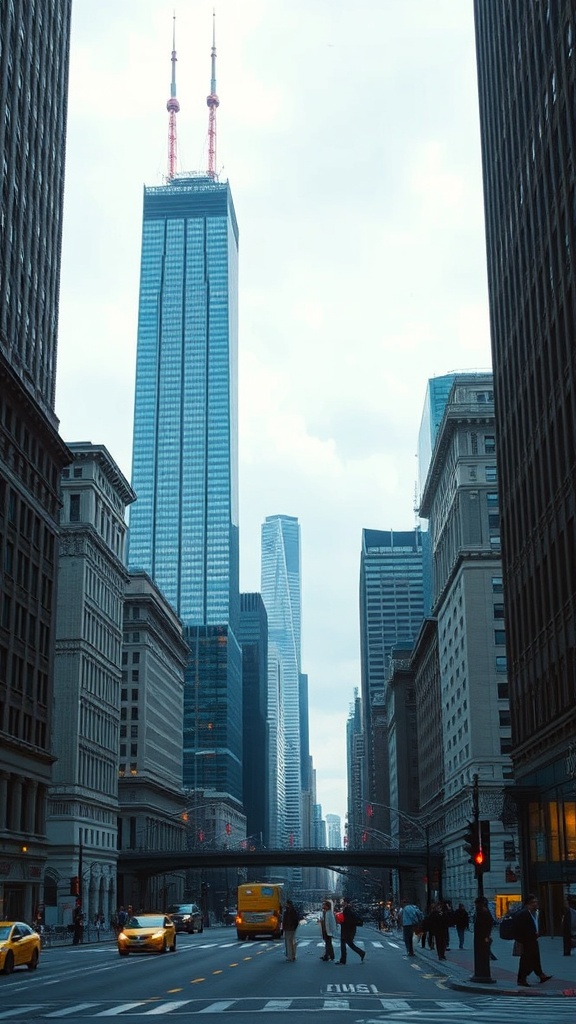
A vibrant, resilient waterfront enhances quality of life, supports public health through outdoor recreation, and attracts investment while strengthening ecological systems. For anyone exploring the city, the lakefront and riverfront offer a concentrated showcase of urban design, culture, and nature — an accessible place to relax, play, and reflect on how cities can adapt to changing climates and growing populations.
Whether planning a visit or mapping a new daily route, the waterfront rewards curiosity: there’s always a new path to take, a new park to discover, and another perspective that makes the city feel both familiar and newly exciting.