Wrigleyville magic, analytics-driven baseball, and a deep bench of hopeful prospects keep the Chicago Cubs a central story in Chicago sports.
Whether you’re a lifelong fan or planning your first visit to Wrigley Field, there’s a lot to follow beyond the boxscore. Here’s a concise guide to what makes the Cubs compelling and what to watch for as the club charts its course.
Why Wrigley Field still matters
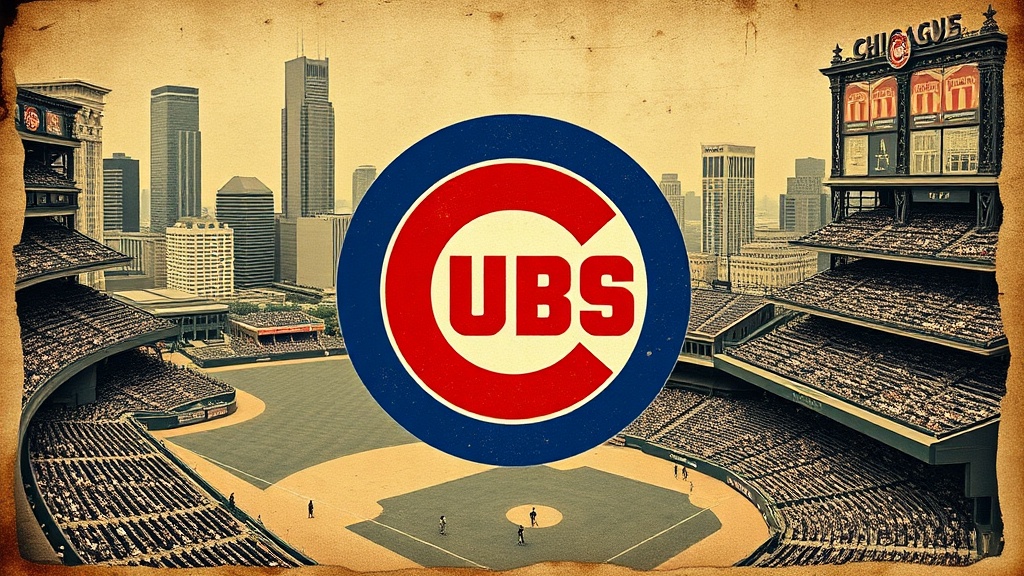
Wrigley Field remains one of baseball’s most iconic venues. The ivy-covered outfield walls, hand-operated scoreboard, and the classic marquee on the main entrance create an atmosphere unlike most modern ballparks.
Neighborhood energy spills into every game: pregame crowds on Clark Street, rooftop parties lining the avenues, and postgame nightlife in Wrigleyville all contribute to the experience. For many fans, attending a night game at Wrigley is as much about the setting and rituals—like the seventh-inning stretch singalong—as it is about the on-field action.
A blend of veterans and young talent
The organization’s current approach blends established veterans with a focus on developing young talent. Player development systems emphasize athleticism, plate discipline, and pitch sequencing, while scouting keeps an eye on high-upside tools that can translate to big-league impact. This balance aims to create a competitive roster now while nurturing prospects who can be difference-makers down the line.
Pitching, defense, and the analytics edge
Like many clubs, the Cubs place strong emphasis on pitching depth and defensive efficiency. Front offices around the league increasingly leverage advanced metrics—exit velocity, spin rate, and run-prevention metrics—to shape rotations and bullpen roles. Expect continued investment in pitching development, including targeted biomechanical work and individualized workloads to protect arms and maximize effectiveness.
Defensively, versatility and shifting strategies remain key tools for run suppression.
Rooftop culture and gameday tips
Rooftop seating is a signature part of the Wrigley experience. If you’re planning to attend:
– Arrive early to soak up Wrigleyville’s pregame atmosphere and secure food options.
– Check rooftop sightlines when buying tickets; angles and proximity vary by building.
– Use public transit where possible—Wrigley is transit-friendly and parking near the ballpark can be limited.
– Embrace the ritual: grab a hot dog, sing during the seventh-inning stretch, and watch the iconic scoreboard operators at work.
What to watch next
Keep an eye on pitching depth, lineup balance, and any midseason roster moves, as those elements often determine a team’s trajectory. Also watch how the development pipeline supplies the big league club with fresh arms and everyday contributors. For fans following fantasy leagues or betting markets, monitoring player health, plate discipline metrics, and bullpen stability provides useful signals.
Why the Cubs remain compelling
Beyond wins and losses, the Cubs represent a historic brand with passionate support, neighborhood charm, and an organizational commitment to blending tradition with modern methods.
Whether you’re tracking prospects, evaluating the pitching staff, or planning a Wrigley Field visit, there’s always a fresh angle to follow—on the field and in the lively streets that surround one of baseball’s most beloved parks.