Chicago rewards curious visitors and longtime residents alike with a mix of bold architecture, lakefront calm, and neighborhoods that each tell a different story. Whether you have a weekend to explore or are planning a longer stay, the best way to experience the city is by blending iconic attractions with local discoveries.
Start with the essentials
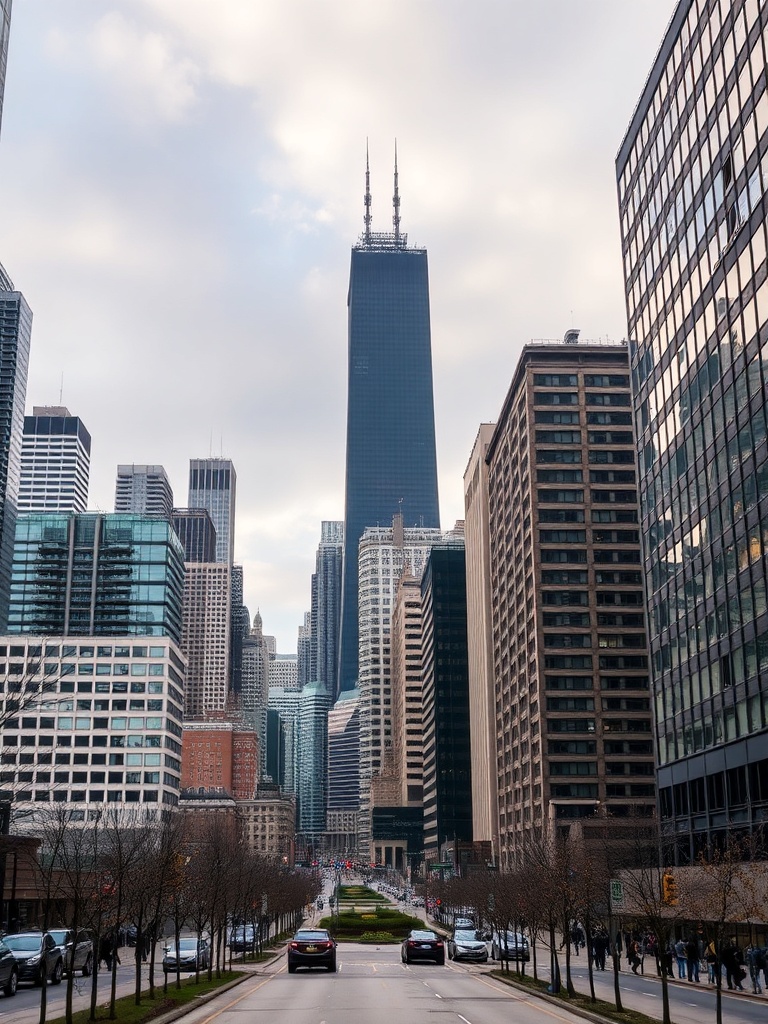
The city’s skyline and lakefront are signature draws. Walk along the Lakefront Trail at sunrise to see the skyline glow against Lake Michigan, then head to a central park to catch public art and green space. Millennium Park’s public plaza and reflecting sculpture remain magnets for photos and people-watching, while the riverwalk offers lively cafés, public seating, and close-up views of landmark bridges and buildings.
Architecture and tours
Chicago’s architecture shaped modern skylines worldwide. Architecture boat tours along the river are an efficient, scenic way to learn about the city’s design legacy and see classic skyscrapers from a unique angle. For a deep dive into art and history, major museums anchor the cultural loop, but neighborhood galleries and smaller cultural institutions often host unexpected shows and programming.
Neighborhoods to explore
– Lincoln Park: combines a free zoo, leafy streets, and casual dining.
– Wicker Park/Logan Square: hip boutiques, music venues, brunch spots, and vibrant nightlife.
– Pilsen: colorful murals, Mexican-American cuisine, and community arts spaces.
– Hyde Park: academic energy and museum clusters; a quieter, historic feel.
– Chinatown and Little Italy: concentrated culinary scenes for authentic bites.
Eat like a local
Chicago’s food identity blends hearty classics with a global palate. Iconic dishes draw visitors—search out the city’s baked and sandwich traditions—but also carve time for chef-driven restaurants, casual neighborhood eateries, and late-night counters. Food halls and markets provide an efficient way to sample multiple cuisines in one stop.
Getting around
Public transit and active transport keep most neighborhoods within easy reach. The elevated trains, buses, and commuter lines serve the core and many outlying neighborhoods; apps and transit maps help plan routes and check service status. For shorter trips, bike lanes and a public bike-share system make pedaling a practical option, while riverwalk and sidewalks make walking a pleasure in dense areas.
Practical tips
– Time your travel outside weekday rush periods to avoid crowded trains and buses.
– Check neighborhood hours—many independent shops close earlier than national chains.
– Bring layered clothing when near the lake; winds can make temperatures feel significantly cooler.
– Reserve popular restaurants or tours in advance to secure preferred times.
– Stay aware of surroundings and use well-lit routes at night; downtown and tourist corridors are typically well-patrolled.
Seasonal rhythms
Chicago’s calendar is lively year-round. Outdoor concerts, food festivals, and pop-up markets animate public spaces when the weather invites, while theaters, museums, and music venues offer robust programming during cooler months. Checking neighborhood calendars and local listings uncovers smaller events that offer authentic local flavor.
Plan with intention
The most memorable visits balance famous sights with time to wander: explore a single neighborhood deeply, join a walking or food tour, and leave pockets of unscheduled time for discoveries.
That approach turns a checklist into an experience—one that reveals why Chicago’s mix of urban energy and neighborhood personality keeps people coming back.