Chicago Cubs: What Fans Should Watch and Expect
The Chicago Cubs remain one of the most watched franchises in baseball, combining a storied ballpark, passionate fan base, and an organizational focus on blending veteran leadership with younger talent. Whether you follow game-by-game or just want to soak up the atmosphere at Wrigley Field, there are clear trends and storylines worth tracking.
Ballpark and fan experience
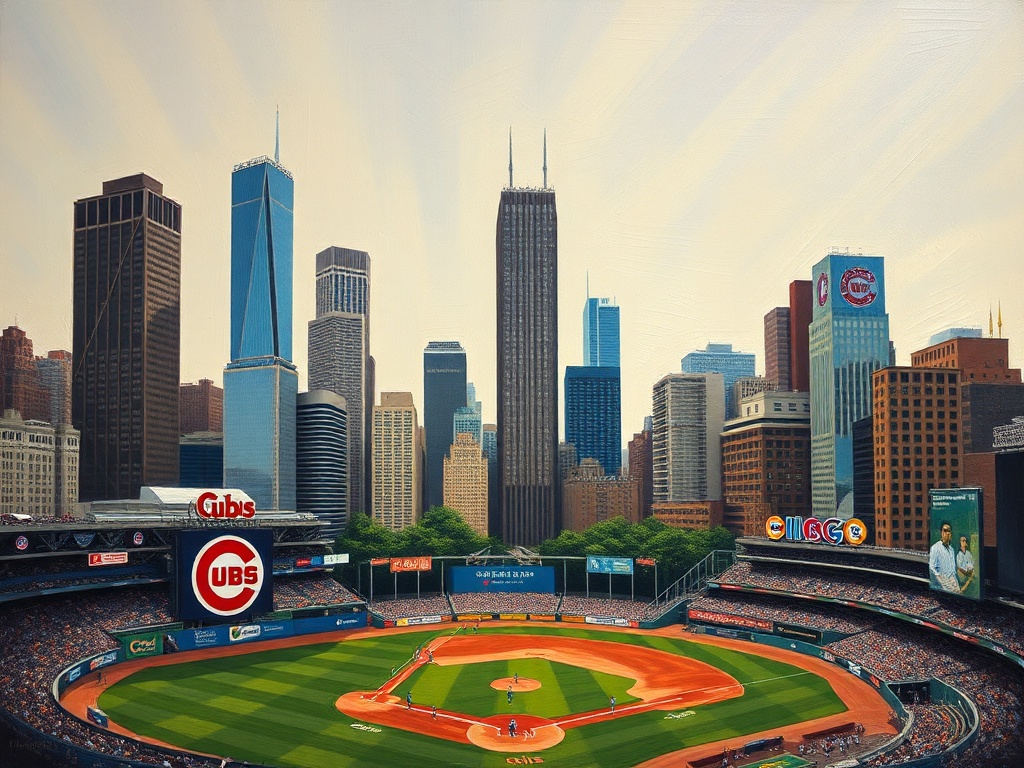
Wrigley Field is a major draw beyond the box score. The iconic marquee, ivy-covered outfield wall, and hand-operated scoreboard keep the park feeling timeless, while ongoing upgrades have improved accessibility, sightlines, and concourse amenities.
For an optimal visit, arrive early to walk the neighborhood and catch batting practice, consider a rooftop seat for a birds-eye view, and take public transit to avoid parking headaches. Expect a lively atmosphere—postgame neighborhood crowds and rooftop celebrations are part of the Wrigley tradition.
Team construction and strategy
The Cubs have shifted toward a hybrid model that values a mix of established veterans and high-upside younger players. Front-office decisions increasingly reflect a balance between analytics-driven roster construction—pitching matchups, bullpen leverage, and defensive positioning—and old-school scouting. Bullpen depth and late-inning matchups often determine close games, so look for how the club deploys relievers and handles workload management across the season.
Prospects and player development
Strong player development pipelines are essential for sustainable success. The organization has invested in scouting, physical development, and performance analytics to accelerate prospects through the minors. Fans should watch for players who translate minor-league success to the majors, especially those who offer defensive versatility or high on-base skills—traits that age well and fit modern lineup construction.
Offense and pitching trends
Offensively, teams that maximize plate discipline, launch angle education, and on-base percentage tend to outpace rival clubs. The Cubs’ approach mirrors that: cultivating hitters who can get on base and drive in runs via situational hitting.
On the mound, emphasis on spin-rate, pitch sequencing, and velocity continues to shape evaluation. The rotation’s health and depth, plus a reliable closer or high-leverage bridge arms, are pivotal to sustained competitiveness.
Rivalries and local culture
Crosstown matchups with the White Sox capture Chicago’s divided loyalties, while divisional battles add intensity when facing longtime adversaries. Rivalry games at Wrigley often bring electric crowds and memorable moments—perfect for neutral fans looking to experience classic baseball tension.
The Cubs’ community programs and local partnerships also create a strong civic bond, reinforcing why the team is more than a scoreboard for many Chicagoans.
What fans should watch this season
– Roster balance: Which prospects earn everyday roles, and how veterans respond
– Bullpen construction: How high-leverage innings are managed night to night
– Home-field advantage: How Wrigley’s environment affects opposing pitchers
– Transaction strategy: Whether the club pursues targeted upgrades or stays patient with internal development
– Fan initiatives: New promotions, themed series, and community outreach that enhance the game-day experience
Whether you’re heading to Wrigley for the first time or tracking the team from home, the Cubs’ mix of tradition and modern baseball strategy creates compelling storylines.
Keep an eye on roster moves, developmental breakthroughs, and how the ballpark experience evolves—those elements will shape both wins and memories long after the season ends.