Chicago Bears fans are used to passion, patience, and high expectations.
With a long history of hard-nosed defense and iconic legends like Walter Payton, Brian Urlacher, Dick Butkus, and Mike Ditka, the franchise remains a central story in the NFL landscape. For followers looking ahead, several trends and tactical priorities will shape how the Bears try to climb back into consistent contention.
Quarterback clarity drives roster construction
The quarterback position remains the single biggest determinant of short-term progress. Whether the team leans on a young signal-caller still developing or brings in a veteran to steady the offense, roster moves will be guided by that decision.
A clear plan at quarterback allows the coaching staff to design a tailored offensive scheme and prioritize skill-position and protection upgrades.
Invest in the offensive line and scheme fit
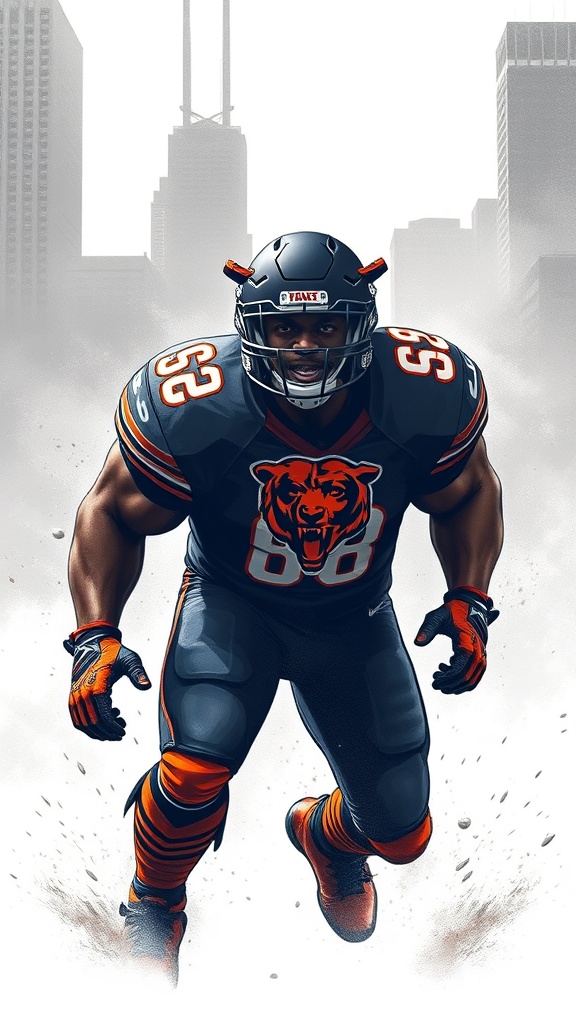
Protection and run-blocking are foundational. Spending resources—through the draft, trades, or targeted free-agent signings—on reliable offensive linemen pays off in both pass and run efficiency.
Coaches who tailor play-calling to the strengths of their line and quarterback can generate outsized gains without relying solely on star skill players.
Build a versatile running game
A balanced offense that can run between the tackles and use perimeter options, screens, and RPOs keeps defenses off balance.
A running attack that complements the passing game reduces quarterback pressure, sustains drives, and controls the clock—especially valuable in divisional matchups within the NFC North.
Defensive identity: attack up front
Historically, the Bears have been defined by defense. Modern success often starts with a dominant defensive front that pressures the quarterback while controlling the line of scrimmage. Investing in edge rushers and interior disruptors, plus a scheme that creates mismatches and confusion for opposing offensive lines, helps the secondary by shortening drives and creating turnover opportunities.
Turnover margin and situational awareness
Winning the turnover battle and improving in critical situations—third downs, red zone defense, and two-minute drills—translates directly to wins.
Coaching emphasis on situational fundamentals, plus personnel who excel in clutch moments, is a reliable path to gaining an edge in close games.
Special teams and hidden yardage
Special teams continue to be an overlooked source of wins.
Field position, reliable kicking, and dynamic return options can flip momentum and decide tight contests. Prioritizing specialists and depth players who contribute on special teams pays dividends over the course of a season.
Draft value and cap flexibility
Long-term competitiveness depends on a steady infusion of draft talent and maintaining salary-cap flexibility. Successfully grooming mid-round picks into starters while using free agency for targeted upgrades creates a sustainable roster-building model.
Smart trades and cap management allow the team to seize opportunities without mortgaging the future.
Fan culture and game-day experience
Soldier Field remains a signature venue for Bears football. Enhancing the game-day experience—tailgating culture, modern amenities, and fan engagement—keeps attendance and energy high, which matters both for home-field advantage and revenue streams that support roster investment.
What to watch next
Watch how personnel decisions reflect a coherent strategy: Is the team prioritizing protection and run support? Are defensive moves aimed at generating consistent pass rush? Does the front office balance immediate upgrades with long-term value? Answers to those questions will reveal whether the Bears are building toward sustainable success or still searching for identity.
For fans, patience paired with realistic expectations and excitement about the team’s strategic direction will make following the next chapter more rewarding. The Bears’ blueprint for success relies on fundamentals—quarterback clarity, line play, defensive aggression, and smart roster-building—elements that are timeless and proven.