The University of Chicago combines rigorous academics, intense intellectual tradition, and a vibrant South Side setting to create a distinctive campus experience that draws students, researchers, and visitors from around the world. Known for a commitment to deep inquiry and cross-disciplinary work, the institution continues to shape conversations in law, economics, public policy, medicine, the arts, and the sciences.
A defining feature is the Core curriculum, which emphasizes critical reading, analytic writing, and interdisciplinary discussion. Students engage with primary texts across humanities, social sciences, and natural sciences, building intellectual habits that carry into advanced study and careers. That foundation complements professional schools—such as business, law, public policy, and medicine—where scholars translate research into practical solutions and leadership.
Research intensity is a hallmark. The campus houses labs and centers tackling big challenges from basic physics to urban health, and the commerce of ideas crosses departments through formal institutes and informal collaborations. Technology transfer and entrepreneurship receive active support through innovation hubs that help faculty and students move discoveries into startups, often partnering with the broader Chicago business ecosystem. This blend of scholarship and commercialization fosters an environment where new ideas can scale.
Culture and community life make the campus uniquely appealing. Museums and cultural institutions anchored to the university enrich public life: archaeological collections, contemporary art galleries, and robust theater and music programs create year-round programming for students and neighbors. Residential life revolves around a house system that builds small communities within the larger campus, complemented by student organizations that span political, cultural, and service interests.
Athletics add to the campus spirit, with teams and intramural opportunities engaging a variety of interests.
The university’s relationship with Hyde Park and the South Side is central to its identity. Community partnerships focus on education, public health, and economic development, aiming to create reciprocal benefits through long-term collaboration.
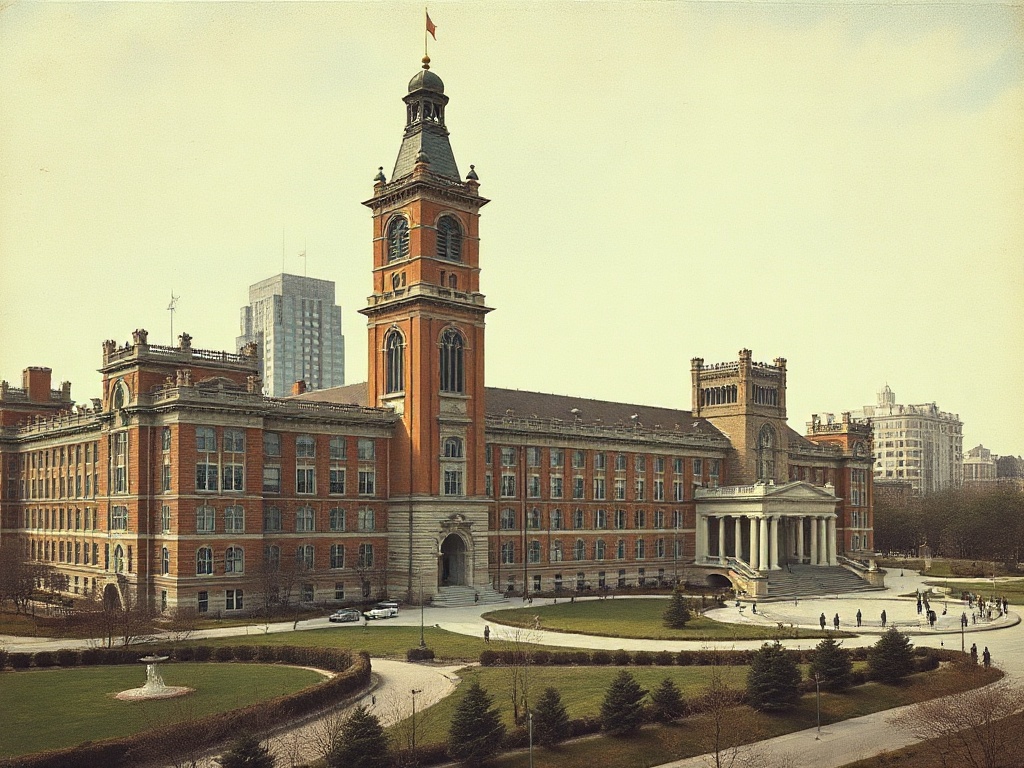
Clinical care and research from the medical center support local and regional health needs, while outreach programs work to broaden access to higher education through K–12 pipelines, mentorship, and scholarship programs.
Sustainability and campus planning are priorities. Green building practices, energy-efficiency projects, and urban green spaces are integrated into campus upgrades and new construction. The campus is also designed for walkability and transit access, making it easy for students and visitors to connect with the cultural attractions of the surrounding neighborhoods and the broader city.
For prospective students and families, the university emphasizes intellectual fit and curiosity over narrow metrics. Admissions processes highlight academic preparation, original thinking, and extracurricular engagement. For researchers and industry partners, the institution offers deep disciplinary expertise and a track record of translating theory into practice through consulting, licensing, and startup incubation.
Visitors find a compact, architecturally rich campus with public lecture series, museum exhibits, and performances that invite broad audiences to participate in university life. Whether drawn by a research collaboration, a cultural event, or the distinctive classroom experience, those who engage with the University of Chicago often note the intensity of intellectual life, the depth of faculty mentorship, and the strong connection between scholarship and civic engagement.
With an enduring focus on rigorous inquiry and community partnership, the university remains a major node in the global academic network—producing scholarship that informs public debate and fostering a campus culture that values curiosity, debate, and public service.