The Chicago Cubs are more than a baseball team — they’re a cultural landmark woven into the fabric of Chicago. For fans and visitors alike, the experience blends historic charm, neighborhood energy, and modern baseball strategy, making the Cubs a compelling subject whether you follow on TV or plan a trip to the ballpark.
Wrigley Field and neighborhood culture
Wrigley Field is the centerpiece of the Cubs story.
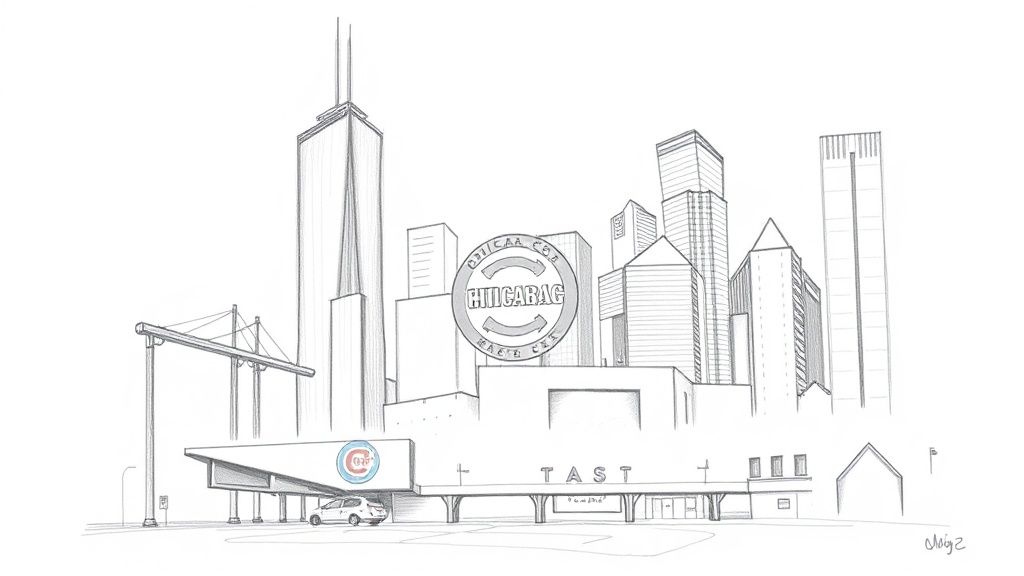
Famous for its ivy-covered outfield walls, hand-operated scoreboard, and the iconic red marquee at Clark and Addison, the ballpark preserves a vintage ballgame atmosphere that’s rare in professional sports. Rooftop seats on adjacent buildings offer a unique vantage point, while the bleachers and “bleacher bums” culture keep the rowdy, loyal fan base front and center. The seventh-inning stretch tradition—where fans belt out “Take Me Out to the Ball Game”—turns every home game into a communal moment that radiates into the surrounding bars and streets.
Game-day tips for visitors
Plan to arrive early to soak up the neighborhood energy: pregame spots and local eateries fill up quickly, and the walkaround view of the stadium is part of the experience. Public transit access makes getting to the park straightforward for most visitors. Bring layers—Lake Michigan breezes can change how a game feels—and expect a festive atmosphere that’s especially lively during weekend matchups and rivalry games.
Team building and player development
The Cubs blend traditional scouting with advanced analytics and an emphasis on player development. The organization invests in a farm system, international scouting, and coaching that focuses on long-term growth. This approach balances veteran leadership with young prospects who are groomed to contribute at the major-league level. On-field strategy often reflects ballpark factors—Wrigley’s wind and dimensions influence pitching and hitting approaches, so roster construction typically accounts for how players perform in that environment.
Rivalries and regional identity
Rivalries help define baseball’s passion, and the Cubs have a few intense ones that highlight geography and history. Matchups with the team across the city capture the North Side vs.
South Side divide, and games against regional rivals add stakes that go beyond standings. These contests draw bigger crowds and tilt fan energy into full-throttle support.
Merchandise, legacy, and community
The Cubs’ classic “C” logo and throwback uniforms are staples in sportswear and street fashion across the country.
Beyond sales, the organization supports local community programs and youth baseball initiatives, reinforcing a civic connection that extends past wins and losses. Hall of Famers and franchise legends remain central to the club’s identity, with statues and commemorations scattered around the ballpark that celebrate a storied past.
Why the Cubs still matter
What keeps the Cubs compelling is a mix of continuity and evolution. The historic ballpark and long-standing traditions provide an emotional anchor, while front-office strategies, talent development, and modern amenities show a team adapting to contemporary baseball.
For fans, that combination creates a sense of belonging; for casual observers, it makes the Cubs an enduring narrative in America’s pastime.
Whether you’re planning a first-time visit or keeping up from afar, following the Cubs offers a window into how history and innovation can coexist in sports — a dynamic that keeps the team relevant and the fanbase engaged.