Chicago’s riverfront has become one of the city’s most vibrant public spaces—where architecture, dining, recreation, and waterfront views converge. The result is a walkable urban destination that showcases the city’s skyline while offering easy access to museums, parks, and riverfront activities. Here’s a practical guide to making the most of Chicago’s riverfront and surrounding architecture.
Why the riverfront matters
The river serves as a natural spine through downtown, turning formerly industrial edges into inviting public spaces. Pedestrian promenades, floating gardens, and integrated seating create a lively corridor for residents and visitors. The riverfront also offers some of the best perspectives of Chicago’s architectural variety—classic masonry facades, mid-century icons, and contemporary towers with sculptural silhouettes.
Highlights and what to see
– Riverside architecture: Walk slowly and look up.
Notable landmarks and distinct façades are visible from the river: historic office towers, landmark bridges with exposed steel trusses, and modern high-rises with textured glass and terraces. Architectural contrasts make for excellent photography and casual education about urban design.
– Riverwalk amenities: The riverfront features seating terraces, public art, small cafes and bars, kayak launches, and places to rest and watch boat traffic. Seasonal programming often animates the space with pop-ups, live music, and outdoor markets.
– Boat tours and kayaking: Architecture-focused boat tours give context and history while showcasing façades and bridge mechanisms from the best vantage point. For a more active option, guided kayak trips put paddlers close to bridges and under the city’s shadowed canyons.
– Nearby parks and plazas: The river meets lakefront parks and major cultural destinations within easy walking distance. Plan a route that connects the riverfront to nearby green spaces, sculpture installations, and marquee public plazas.
Best times to visit
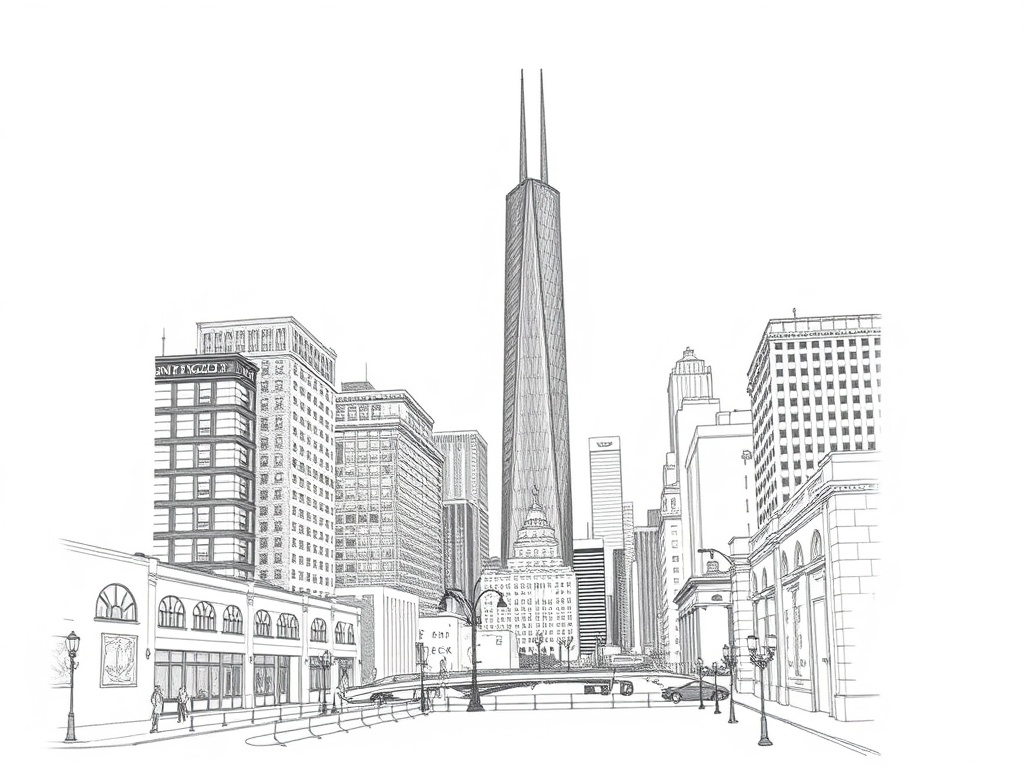
Golden hour—shortly before sunset—delivers warm light on stone and glass, plus dramatic reflections in the water. Weekday mornings and early afternoons are quieter for photography or reflection; evenings bring lively dining and social energy along the river. Weather can change quickly near the water, so bring a light layer.
Practical tips
– Start at a landmark: Begin the walk at a major public plaza or museum to orient yourself, then follow the river west into the urban core or east toward the lakefront.
– Transport and accessibility: The riverfront is well served by public transit, and many loop-area attractions are within easy walking distance.
Bike-share stations and dedicated bike lanes make a combined bike-and-walk outing convenient.
– Dining: Casual cafés and seasonal riverside eateries offer grab-and-go bites, craft cocktails, and al fresco dining. For a full meal or a break indoors, nearby neighborhoods have a deep roster of restaurants spanning every cuisine.
– Safety and comfort: The riverwalk is a well-trafficked public space; standard urban precautions apply. Wear comfortable shoes—some stretches include steps and uneven paving—and bring sunglasses for daytime glare off the water.
Photo opportunities
Reflections of towers in the river, bridge mechanics framed by sky, and narrow light-filled view corridors between buildings make for striking images.
Experiment with vertical compositions and include both architectural details and human activity to convey scale.
Why it’s worth the visit
The riverfront distills what makes the city compelling: bold architecture, public life, and easy access to cultural amenities.
Whether exploring on foot, by boat, or from a riverside bench with a coffee, the riverfront offers an accessible way to experience the city’s character and design sensibility.